
Blog
Mixed Flow Fan Manufacturer Selection Where Inline Space Meets Duct Resistance

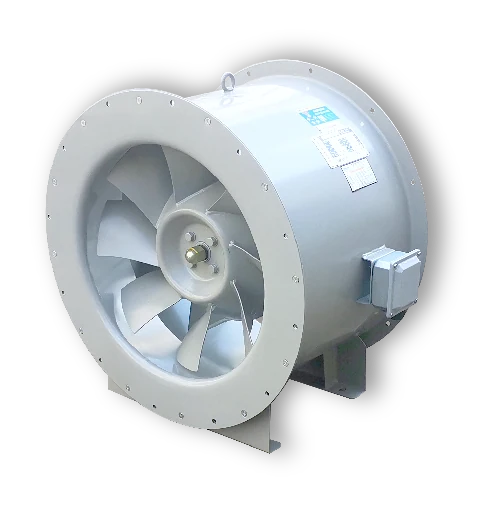
A straight-through duct connection does not tell a buyer which impeller or selected duty sits inside the fan. When comparing a mixed flow fan manufacturer, begin with the actual airflow, pressure and installation envelope rather than the outside shape. TWOSUN’s building range includes SWF and HL3-2A mixed-flow fans, GDF centrifugal duct fans, T35-11 axial fans and HTFC-III cabinet configurations. SWF and HL3-2A are the starting mixed-flow routes; the others provide useful alternatives where the selected duty or installation calls for a different arrangement.
For an MEP contractor working above a suspended ceiling, the conflict is often between a limited physical envelope and a duct route that already contains bends, terminals and acoustic treatment. A mixed-flow option may merit comparison, but it should earn its place through the selected performance and service arrangement. It is not a universal answer to every tight ceiling.
A mixed flow fan manufacturer should explain the selected impeller and operating point
Mixed-flow impellers combine aspects of axial and centrifugal flow. That gives the type a distinct selection route, while the actual pressure, flow and sound depend on the selected product and operating point. Greenheck’s basic fan-selection discussion provides general background on these impeller families. Its performance comparisons and product capabilities should not be read as TWOSUN ratings.
SWF mixed-flow duty should be stated at the project’s required resistance
TWOSUN identifies SWF as a mixed-flow range. Request the proposed size, speed, airflow, pressure basis and input information at the required duty. A family-level maximum airflow does not identify what the fan will deliver through the completed system. The selected curve or performance entry should describe the same assembly shown in the offered drawing.
For a contractor comparing SWF with an axial alternative, retain the required pressure rather than assuming a similar motor rating means equivalent air movement. The duct route may place the two selections at different operating conditions. The comparison should show how each proposed assembly meets the stated duty and what installation assumptions accompany it.
Efficiency should be read at that same selected point. A broad statement about mixed-flow efficiency does not show which offered SWF assembly has the lower input for the project. Request the relevant power and efficiency information together with the selected curve. If one proposal includes an accessory loss or drive allowance and another does not, clarify the difference before comparing their input figures.
HL3-2A low-noise descriptions need equipment-specific supporting data
TWOSUN lists HL3-2A as a low-noise mixed-flow range. Use it to begin a focused acoustic comparison, then obtain the available sound information for the proposed operating point. The low-noise description is not a sound-pressure guarantee for a meeting room or another receiving location.
The guide to mixed-flow sound data and occupied spaces explains why source information and the installed receiving environment need separate treatment. In a constrained ceiling, the fan position, casing-radiated path and connected ducts should remain visible alongside the selected source data.
SWF naming details can prevent a mixed-flow order from losing its intended form
The original TWOSUN manual explains several SWF forms rather than presenting one undifferentiated product. Its naming diagram distinguishes single-speed, double-speed and higher-pressure forms. Keep the complete designation in the enquiry and approved schedule. A shortened family name can omit information that matters to the proposed operating arrangement.
SWF-I, SWF-II, SWF-III and SWF-IV describe different forms
The catalogue naming explanation identifies I as single speed, II as double speed, III as a high-pressure single-speed form and IV as a high-pressure double-speed form. These are descriptions to reconcile with the current offered equipment. They should not be treated as a promise that every size or electrical arrangement is available in every form.
When a building schedule requires two operating modes, request the corresponding selected performance and motor information. Do not add a second mode to a single-speed offer through an informal order description. The ventilation and electrical documents should identify the same complete assembly and the operating conditions it is intended to serve.
The SWF tables in the original manual include paired speed entries, such as 1,450/960 revolutions per minute. Read the associated paired performance figures within the same selected row and mode. Do not combine the high-speed airflow with a pressure or power entry from the lower-speed condition. The current supplier submission should make those relationships clear enough to carry into the project’s operating schedule.
The high-pressure description of SWF-III or SWF-IV is a distinction within the catalogue’s forms. It is not a complete comparison with an industrial centrifugal family or a guarantee of any unspecified pressure. The proposed SWF size and speed still need to meet the actual duty. Keeping the form and the selected operating point together prevents a descriptive label from replacing the engineering selection.
The SWF size code and additional sign should remain attached to the model
The manual’s naming diagram describes impeller diameter in decimetres and includes an additional sign after the size. For example, the diagram uses a size number of 8 to illustrate that naming convention. That example explains the code; it does not by itself establish a complete model, performance or available order configuration.
Retain the supplier’s full selected designation, including any relevant suffix, on the drawing and purchase schedule. If two offers abbreviate the name differently, ask for a clear identification of the arrangement being compared. The actual selection should not depend on purchasing reconstructing a model from partial catalogue labels.
For repeated SWF orders serving different building zones, use a separate equipment tag in addition to the model designation. Two installations may use related family names but different operating modes, motors or connection arrangements. The tag should lead to the accepted selection and drawing for that zone, so receiving and commissioning personnel do not have to infer the intended duty from the casing appearance.
Ordinary SWF ventilation and emergency smoke duty need separate evidence
The original naming note identifies SWF-I and SWF-II as non-fireproof types. More broadly, TWOSUN’s current guidance requires ratings and approval scope to be confirmed for the selected model and application. If the project requires emergency smoke operation, state its duty and current documentation requirements explicitly.
Do not infer an emergency approval simply from the SWF family name, a higher-pressure form or a double-speed description. The responsible designer should define what the system must do, and the supplier should identify the equipment and evidence actually offered. Keep normal operation and any specialist duty separately visible in the submission.
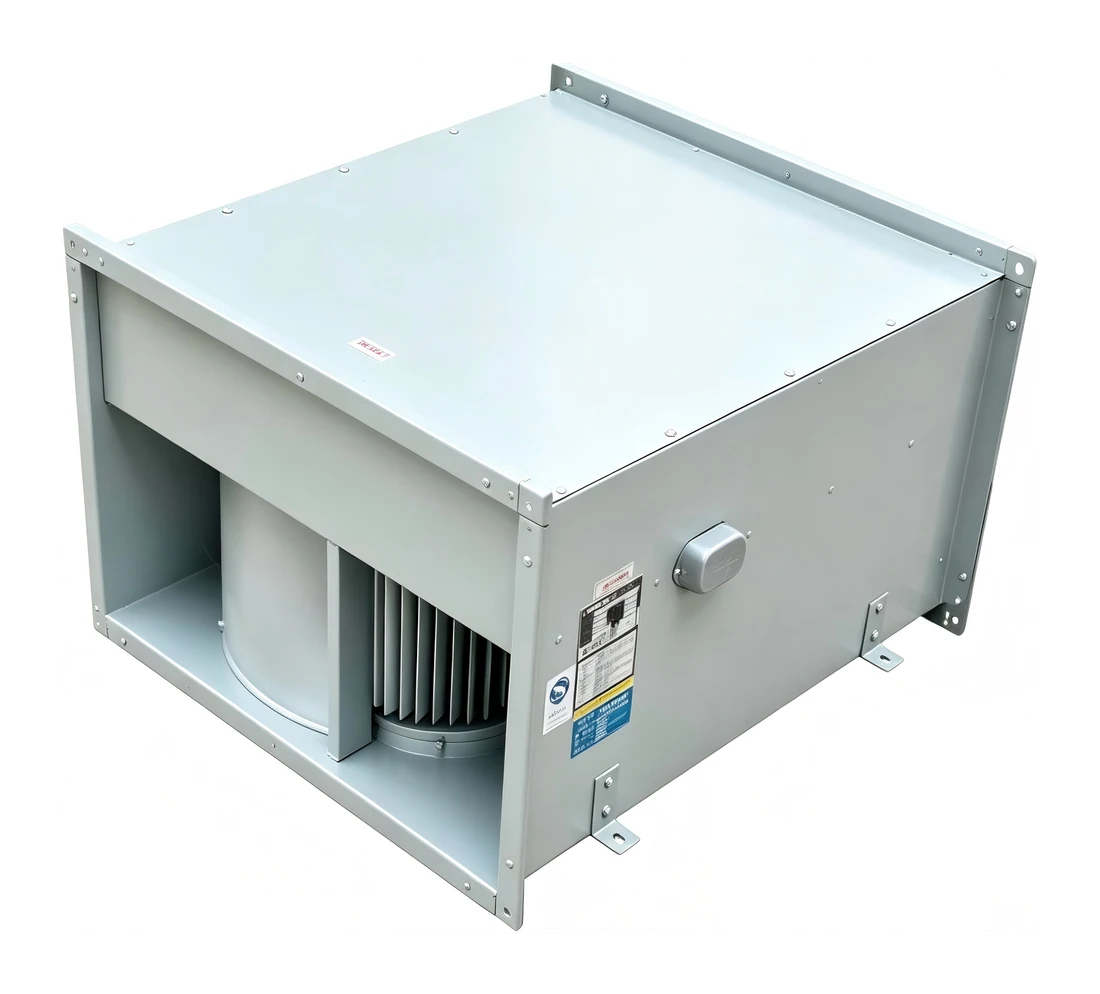
Compare SWF with GDF, T35-11 and HTFC-III by the installation problem
The alternatives should be organized around what the project needs to solve: an aerodynamic duty, a restricted delivery route, a service-access constraint or another defined condition. TWOSUN’s portfolio provides several real families for that review. Avoid a general assumption that one impeller type is always smaller, quieter or more efficient at every duty.
GDF centrifugal duct fans address a separate inline selection
For a GDF comparison, request the selected flow, pressure, dimensions and access information at the same project duty. The centrifugal duct-fan arrangement may create a different connection and service envelope from the SWF proposal. Use the GDF installation brief when the route through a ceiling hatch or corridor is a limiting issue.
T35-11 axial fans need a matching system-duty comparison
For T35-11, keep the actual resistance and connection conditions in the comparison. Do not substitute a free-air value for the required ducted duty. The axial air-route guide explains why a short wall path and a ducted installation should not be treated as the same job.
HTFC-III cabinets change the enclosure and maintenance arrangement
TWOSUN identifies HTFC-III as a backward centrifugal cabinet route. If the project considers a cabinet instead of an inline mixed-flow assembly, review the location, connection positions and service faces. The different enclosure may require a revised duct route and acoustic assessment rather than a simple exchange of one fan name for another.
A second project scenario is a refurbishment where the proposed SWF unit can enter the ceiling void but cannot be removed for service after adjacent equipment is installed. An alternative family might improve access, or the location may need to change. Compare those solutions against the completed building arrangement, not only the opening available during construction.
Where the selected SWF assembly is suspended, obtain its mounting-point and support information before hangers are fabricated. Coordinate the support with the building designer and the selected equipment drawing. A fan that fits the ceiling envelope still needs an approved means of support that preserves its intended service access.
Preserve the mixed-flow selection through the inlet, outlet and silencer layout
Nearby elbows, abrupt transitions and accessories can create inlet or outlet conditions different from those used in performance testing. Technical guidance on fan system effects explains the general issue. Submit the actual SWF or HL3-2A connection geometry and ask the supplier and designer to review any departure from the selection assumptions.
If a silencer is required, obtain its selected length, resistance and acoustic information before the fan arrangement is frozen. TWOSUN lists silencers as system components, but their availability does not mean a particular silencer is automatically included or already accounted for in every SWF selection. The proposed package should identify both the supplied item and its effect on the duty.
State the air conditions as well as the duct resistance when that information affects the SWF selection. Actual inlet volume, temperature and the pressure basis should agree across the fan schedule and the supplier’s data. A change in the building or process condition should not be represented only by reusing the same cubic-metres-per-hour number without its reference conditions.
For late duct-routing changes, keep the original selected duty beside the revised layout. Identify the added bends or components and return the change to the engineering review. A speed adjustment should not be assumed acceptable without checking the selected fan, motor, sound and operating limits.
Release the mixed-flow assembly with records and handling information tied to its form
TWOSUN describes aerodynamic measurement, balancing and inspection in its testing information. Request the records relevant to the selected SWF or HL3-2A assembly and project requirements. Company-level documentation or a historical catalogue statement does not replace the particular performance or specialist evidence required by the order.
The SWF literature also discusses static and dynamic balancing of the rotating assembly. Ask which record is proposed for the supplied configuration and how it identifies the relevant equipment. A historical balance description should not be converted into an order-specific result before that result exists. The agreed inspection scope should distinguish the rotating-assembly check from the fan’s aerodynamic performance evidence.
Before approval, align the complete model, selected speed or modes, motor supply, airflow direction and drawing revision. Identify included silencers or other supplied components, and preserve the access envelope on the installation drawing. The selected configuration should remain identifiable from technical approval through receiving and commissioning.
For dispatch, confirm the actual packing dimensions, supports and storage instructions. TWOSUN shows wooden export packing, but the details should match the selected mixed-flow assembly and any separate accessories. The installation route must accommodate the delivered equipment, and the receiving documents should preserve its equipment reference.
The mixed-flow choice is sound when it answers the real constraint without losing the operating duty. Keep the SWF or HL3-2A proposal alongside the GDF, axial or cabinet alternative that genuinely merits comparison. Approve the selected form when its performance, installation and evidence agree, rather than because a straight-through casing appears to fit the available gap.
