
Blog
Working with a Low Noise Mixed Flow Fan Supplier on an Occupied-Space Project

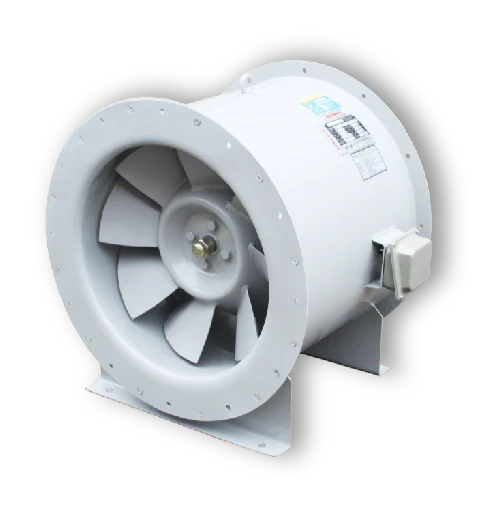
A fan above a meeting room can satisfy the airflow schedule and still become the equipment everyone notices. For a contractor or consultant choosing a low noise mixed flow fan supplier, the first task is to define the sound requirement at the occupied space and the operating duty that must be maintained. TWOSUN lists the HL3-2A low-noise mixed-flow range, SWF mixed-flow fans, GDF centrifugal duct fans, HTFC-III cabinet fans and ventilation silencers. These are starting options for an acoustic and mechanical review. A low-noise product description is not a project-specific sound prediction.
Consider an office refurbishment where the ceiling void already contains pipes, cable trays and a short duct turn. Selecting the smallest fan that fits the opening may leave little room for a useful inlet arrangement or acoustic treatment. The better comparison considers the fan, duct connections, support system and receiver together. Establish those constraints before approving an HL3-2A or an alternative inline configuration.
Ask the low noise mixed flow fan supplier what its sound number describes
An isolated decibel value can conceal several important distinctions. It may represent sound power or sound pressure, an overall weighted value or frequency-band data, and an inlet, outlet or casing-radiated path. Before comparing HL3-2A and SWF proposals, identify those descriptions and the operating conditions used for each value. A lower number is not necessarily a quieter equivalent selection.
Sound power is a source description, not a room sound-pressure promise
Sound pressure depends on the receiving environment and distance, while sound power describes the source. Greenheck’s technical explanation of fan sound makes this distinction clear. Use it as general acoustic background; its test facilities and certified product ratings are not evidence for TWOSUN equipment.
For the proposed HL3-2A assembly, ask what data can be supplied at the selected airflow, pressure and speed. If a sound-pressure figure is offered, request its distance and measurement conditions. If sound-power data are available, retain the relevant path and frequency information for the acoustic designer. Do not relabel one type of value as the other in a purchasing schedule.
Frequency information can also explain why two similar overall values do not lead to the same room impression. A single weighted number compresses the spectrum. If the project’s acoustic method uses frequency-band information, request that information for the selected HL3-2A or SWF rather than discarding it in favour of one overall figure. The appropriate acceptance criterion comes from the room design, not from a general label attached to the fan family.
Inlet, outlet and casing sound follow different paths to the occupied room
A duct silencer can address a duct-borne path without solving sound radiated directly through the fan casing into the ceiling void. Conversely, adding an enclosure around an accessible fan does not automatically address the sound travelling along its discharge duct. Identify which path is important in the actual room layout before deciding that a silencer or cabinet arrangement will solve the complaint.
In the office-refurbishment scenario, an HL3-2A located directly over a quiet meeting room may raise a different concern from the same fan located over a service corridor. The required airflow can be identical while the building’s transmission paths differ. Show the supplier where the fan sits relative to occupied rooms, and have the project acoustic assessment account for the complete installation.
HL3-2A and SWF mixed-flow fans should be compared at the same ventilation duty
TWOSUN identifies HL3-2A as a low-noise mixed-flow range and SWF as a mixed-flow ventilation range. These names support a focused comparison, but they do not establish which selected assembly will meet the project’s sound requirement. Obtain the proposed size, speed, airflow, pressure and sound-data basis for each offer. Keep the installation arrangement visible during that comparison.
One proposal may use a larger, slower-running assembly while another uses a more compact selection. The tradeoff involves space, operating point, input and the actual sound spectrum. Avoid a universal rule that one fan family is always quieter. The meaningful choice is between specific selections meeting the same duty within the available installation and maintenance envelope.
The TWOSUN building fan manual provides product literature for this discussion. Confirm the applicable section and configuration with the supplier. A performance or sound entry for one speed or variant should not be carried across to another simply because both use the same family name.
The SWF form and mixed-flow selection guide explains the naming distinctions that should remain attached to the selected operating data.
A GDF centrifugal duct fan may be an alternative, not an acoustic equivalent
TWOSUN’s GDF range provides a centrifugal duct-fan route where the installation calls for an inline connection arrangement. Compare its proposed pressure capability, dimensions and sound information with the mixed-flow selections. The fact that both connect into ductwork does not make their fan curves, access arrangements or sound paths interchangeable.
For an equipment room separated from occupied space by a long duct route, the GDF comparison may look different from a fan placed inside an occupied ceiling void. Give the supplier the actual layout. If the original concern is casing-radiated sound, make that concern explicit instead of assuming an inline centrifugal label resolves it.
A quiet mixed-flow installation needs an air path that preserves the selection
Even a carefully chosen fan can behave differently when installed beside a sharp elbow or abrupt transition. The disturbed flow can affect performance and sound. The general guidance on fan system effects explains why inlet and outlet conditions deserve attention. For HL3-2A or SWF equipment, send the actual connection geometry for review rather than only the required volume.
An HL3-2A inlet should not inherit every leftover ceiling constraint
If the ceiling layout leaves an elbow immediately beside the fan, examine the arrangement before compensating with more speed. The project may need a different fan position, a revised transition or another selected configuration. Ask the supplier which arrangement its data assume, then have the installation designer resolve the difference.
This is particularly relevant when an existing building has been divided into smaller rooms. The ventilation route can gain additional bends and terminals while the old fan location remains fixed. Reusing the original HL3-2A selection without reviewing the changed system may leave the contractor trying to cure a duct problem with a different fan.
A silencer adds pressure loss and physical length to the mixed-flow assembly
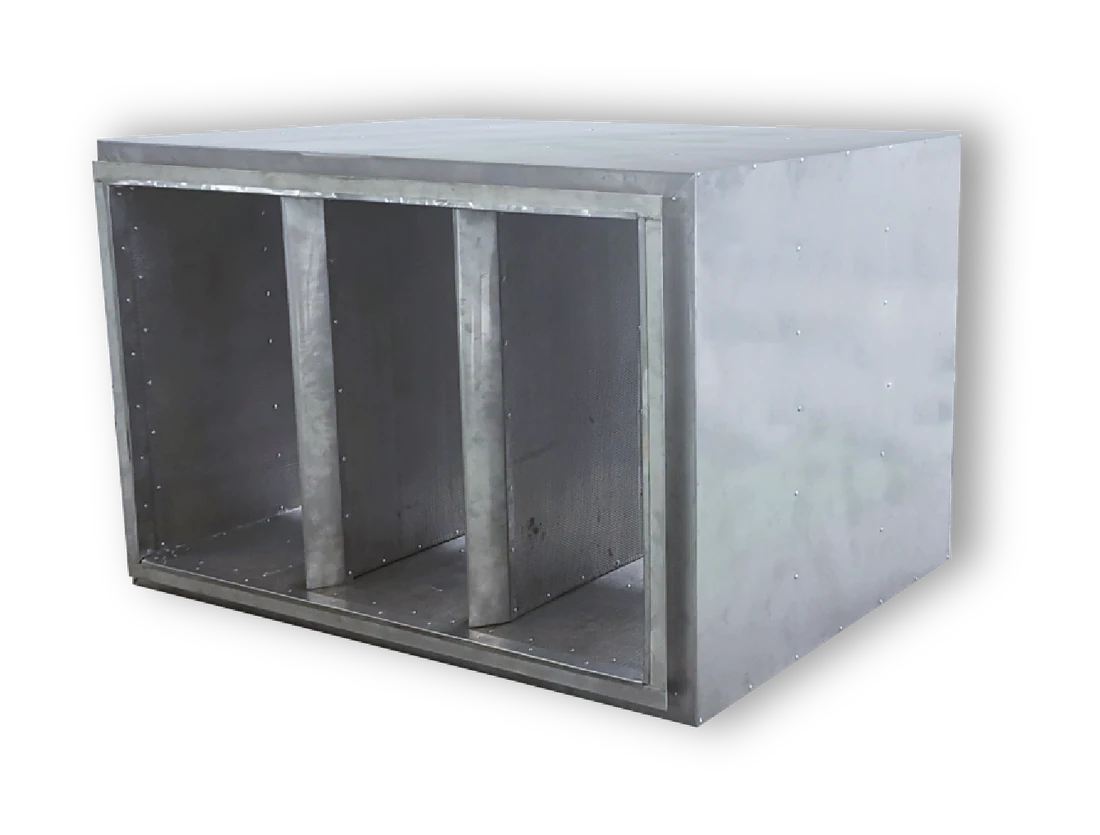
TWOSUN lists silencers among its system components. For a proposed silencer, obtain its selected dimensions, pressure loss and acoustic information at the relevant flow. Include that resistance in the fan selection. An attenuator added after the fan is approved can change the required operating point and consume the maintenance space originally reserved around the assembly.
Also identify the sound path the silencer is intended to treat. Its selection should relate to the fan’s supplied sound information and the project’s receiving-space requirement. A generic silencer photograph or a single attenuation claim is insufficient to predict the room outcome. The acoustic designer should review the offered configuration within the complete transmission path.
Damper location can affect the operating point and the sound discussion
A damper creates resistance, and its position near the fan can influence the inlet or outlet flow. Show the intended location and operating condition when requesting an HL3-2A or SWF selection. If the damper is being used to balance the system, the selected fan should be considered at the intended balanced duty rather than only with the damper fully open.
For a building with variable operating modes, define which modes need acoustic assessment. A sound comparison made only at one nominal speed may miss another regularly used condition. Request the available fan data for the modes actually proposed, and avoid assuming that changing the electrical control alone guarantees an acceptable sound outcome.
Mechanical transmission needs its own review. A fan support can provide a path into the building structure even when duct-borne sound is controlled. For an HL3-2A above a suspended ceiling, coordinate the support and any specified isolation with the building structure and connected ductwork. For an HTFC-III cabinet, review the base and nearby rigid connections. Do not treat a flexible connection as proof that every vibration path has been interrupted.
HTFC-III cabinet options should be reviewed for access and sound transmission
TWOSUN lists HTFC-III as a backward centrifugal cabinet range. A cabinet format may offer a different installation route, but the enclosure itself is not a quantified acoustic guarantee. Ask for the selected cabinet’s performance, dimensions, access requirements and sound-data scope. Review whether the cabinet arrangement addresses the problem identified in the building.
A second buyer scenario is a hotel service area with a fan near a guest-room partition. Moving from an inline fan to a cabinet route can change the duct connections, support loads and service envelope. The mechanical designer should assess those changes alongside the acoustic consultant. A larger enclosure can create a new access conflict if the plant-room doorway or removable panel route is overlooked.
For the HTFC-III proposal, establish which faces need access and whether the installed ductwork leaves them usable. For an HL3-2A retained above a ceiling, establish how the motor or assembly can be reached without damaging adjacent services. These decisions affect the long-term practicality of the selected acoustic solution; a quiet installation that cannot be maintained is an incomplete design.
If the design instead moves air-handling equipment to the roof, the roof fan opening and access guide explains the new physical interfaces to resolve. Relocation changes the transmission paths and duct route, so the acoustic and ventilation assessments should follow the revised arrangement.
Agree acoustic acceptance around the selected fan and a defined measurement condition
Before order release, distinguish factory equipment information from an installed-room acceptance test. State the operating mode, ventilation duty and measurement location relevant to the project’s assessment. The acoustic consultant should establish the required method and criteria. The fan supplier should identify the equipment data and any agreed testing within its supply scope.
If the installed room is later found to be too noisy, preserve the operating information before changing the fan. Record which HL3-2A or SWF mode is running, the damper condition and whether the duct route matches the approved layout. Compare the observed sound path with the original assessment. Replacing the fan before identifying a casing, duct or structural path can leave the actual transmission problem untouched.
TWOSUN’s testing information describes aerodynamic and mechanical checks, while asking buyers to confirm the records needed for selected equipment. Do not infer a specific acoustic laboratory scope or an AMCA sound certification from general testing photographs. Request the evidence required by the specification and keep any unavailable item visible before approval.
Coordinate the delivery scope for the fan, silencer and mounting components as named items. An HL3-2A and a separately supplied silencer should retain their matched equipment references through packing and installation. TWOSUN shows wooden export packing, but the agreed support, protection and shipment dimensions should be confirmed for the actual assemblies rather than taken from representative images.
If the inline installation is still constrained by access or connection geometry, the complete-duty manufacturer assessment helps keep those engineering exceptions beside the commercial comparison. A sound figure should not become a reason to overlook a missing pressure allowance, service space or model-specific document.
Return to the occupied room before signing off the selection. The preferred HL3-2A, SWF, GDF or cabinet arrangement should meet the ventilation duty and fit a credible acoustic path from source to receiver. Approve the equipment when the fan data, installed layout and receiving-space assessment agree, rather than when one quotation contains the lowest unqualified decibel number.
