
Blog
Industrial Fan and Blower Supplier Planning for Distributor Product Ranges

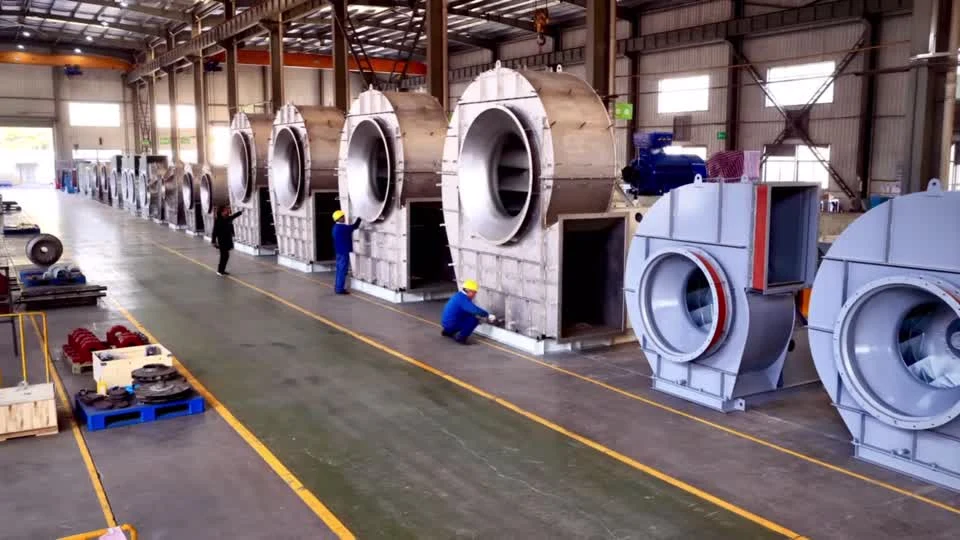
Two fans with the same family name can still be different inventory items. A distributor choosing an industrial fan and blower supplier needs a repeatable configuration record before deciding what to hold locally. TWOSUN’s portfolio includes 4-72 and 4-79 centrifugal fans, 9-19 high-pressure configurations, T35-11 axial fans and GDF centrifugal duct fans. These provide several real product routes for a distributor range. They do not establish current stock, a universal minimum order or one configuration suitable for every customer. Separate repeatable selections from project-specific equipment before building the range.
For a distributor serving local contractors, the commercial problem is often a mix of familiar replacement enquiries and new engineered duties. The same counter can receive a request for a T35-11 ventilation unit and a request for a pressure-intensive process blower. Treating both as ordinary catalogue stock can conceal the information needed to supply the correct assembly.
An industrial fan and blower supplier should help define configuration identity
The product family is the first level of identification, not the complete inventory record. For each selected TWOSUN configuration, retain the size, speed, motor supply, arrangement and relevant drawing reference. Add the accepted duty and application limitations. That record lets the distributor distinguish a repeat order from a new selection that merely uses a familiar series name.
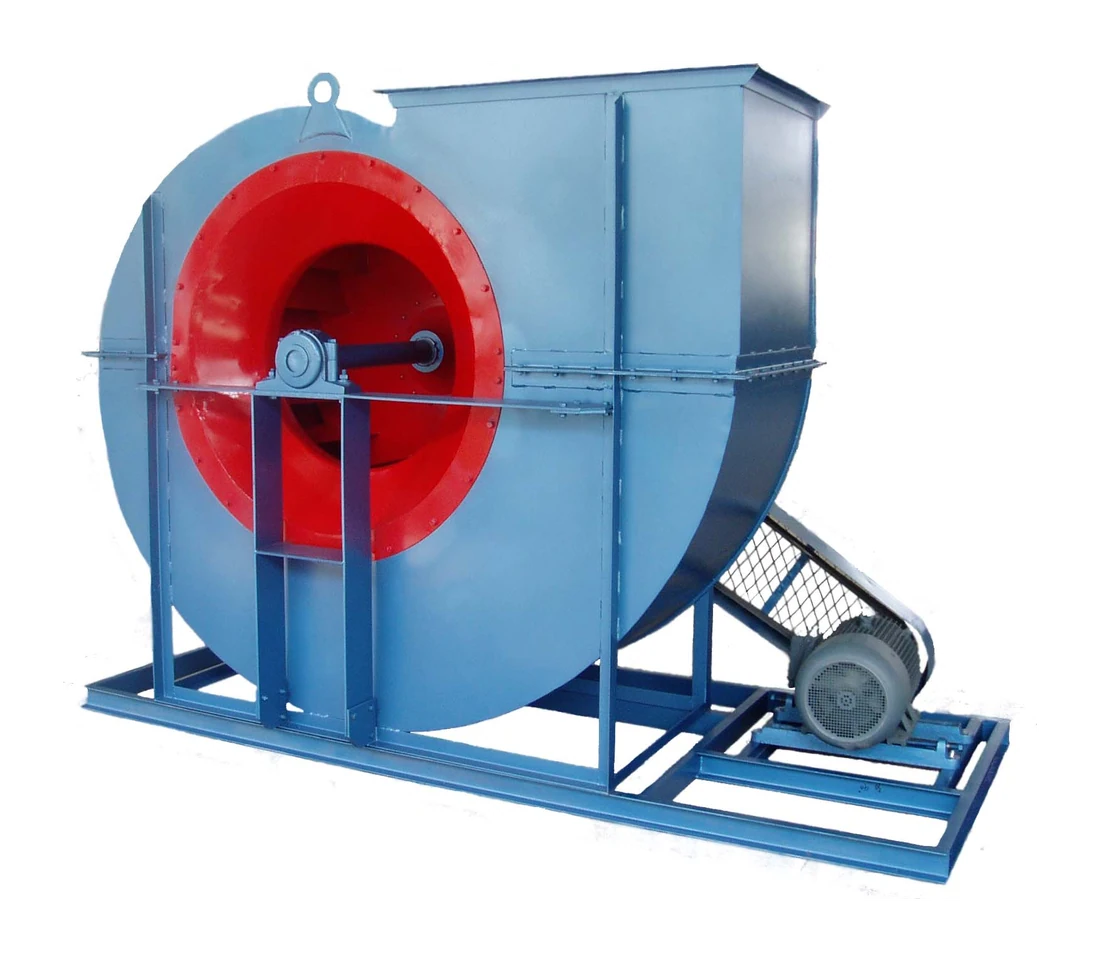
A 4-72 item record should identify more than the centrifugal family
TWOSUN lists 4-72 as a centrifugal ventilator route. Before treating a selection as repeatable, identify its selected performance, motor arrangement, rotation and connections. The stocking decision should follow actual recurring customer requirements and the supplier’s confirmed configuration, not the assumption that one 4-72 assembly represents the entire series.
For a replacement enquiry, ask whether the customer wants the original duty or needs a review after process changes. The old nameplate can help identify the equipment, but it may not describe the current required flow and resistance. Keep the original reference and the present application facts separate so the supplier can review the correct problem.
For the accepted 4-72 item, retain the viewing convention behind its rotation and discharge description. An inventory entry saying only left or right may be interpreted from opposite ends of the assembly. The selected drawing should settle that convention, and the distributor’s customer-facing description should preserve it. This prevents an apparently correct repeat unit from reaching a duct installation with a mismatched discharge arrangement.
T35-11 electrical and mounting details should remain distinct
TWOSUN identifies T35-11 as an axial-flow fan range. A distributor operating across projects with different supply or installation requirements should preserve those distinctions in its item records. A matching nominal size does not establish the same motor, airflow direction, mounting interface or intended duty.
A contractor needing a quick replacement may understandably focus on the opening. The distributor should also establish the electrical supply, the actual air route and the required performance. The axial fan application comparison explains why wall, ducted and specialist axial installations should not be treated as interchangeable.
If local customers use different electrical supplies, retain those configurations separately. A T35-11 arrangement selected for one frequency should not be represented as the same confirmed duty under another supply without supplier review. The issue is not only the electrical label: a changed speed arrangement can affect the fan selection. Keep the corresponding accepted performance information attached to each offered configuration.
Separate repeatable ventilation items from engineered blower orders
A distributor range can contain both repeatable configurations and equipment that should remain subject to project review. The distinction should follow the application and configuration uncertainty. TWOSUN’s broad portfolio makes this separation useful: a familiar building or ventilation enquiry and a process centrifugal enquiry can require very different information before an order is accepted.
Use the distributor’s own enquiry history to decide which configurations genuinely repeat. For a proposed 4-72 or GDF range, distinguish requests that arrived with the same accepted duty and arrangement from requests sharing only the family name. The latter do not establish demand for one stock item. This approach does not require an invented sales forecast; it requires preserving the technical distinctions in actual customer enquiries.
| Product route | Record needed for a repeat configuration | Reason to return the enquiry for engineering review |
|---|---|---|
| 4-72 centrifugal | Selected duty, motor, rotation and connections | Changed process medium or system resistance |
| 4-79 industrial centrifugal | Accepted construction and complete arrangement | New medium, temperature or installation constraint |
| 9-19 high-pressure | Selected operating point, speed and input basis | Unspecified pressure definition or operating range |
| T35-11 axial | Electrical supply, mounting and accepted air-route duty | A different wall, duct or specialist application |
| GDF duct fan | Selected pressure duty, envelope and service arrangement | Changed duct route or inaccessible installation |
A 9-19 high-pressure enquiry should not be accepted from motor power alone
TWOSUN’s 9-19 route is identified as high-pressure centrifugal equipment. The distributor still needs the required volume, pressure basis and inlet conditions. A higher motor rating is not a complete performance specification. Request the selected curve or data through the supplier’s technical process before representing a configuration as suitable for a new process duty.
The high-pressure selection guide explains why maximum catalogue values and selected operating points need different treatment. Preserve that distinction in customer communications. A distributor should not create an unsupported performance promise by combining values from different rows or operating conditions.
For a customer whose pressure requirement is still unclear, keep the 9-19 enquiry in a technical-review route rather than assigning the nearest available item. Ask for the system information needed to define the duty and return it to the supplier. A stock decision made before that information exists can leave the distributor holding equipment that does not resolve the customer’s process requirement.
GDF repeat orders still depend on the duct and access route
A selected GDF assembly can be a repeatable item for a known requirement, but a different building route can change its suitability. Ask whether the airflow, resistance, connections and service access remain the same. The GDF installation brief separates the delivery route from the installed connection and maintenance route.
For a contractor using the same equipment family across several buildings, retain each accepted configuration and the conditions it serves. Do not let a repeated model abbreviation erase a different motor or connection arrangement. The supplier should be able to identify the assembly being reordered without reconstructing its history from a vague product description.
Use manufacturer documents without turning them into wider distributor promises
TWOSUN supplies original product literature and describes its manufacturing and testing capabilities. Those sources help a distributor present real products accurately. They should not be expanded into claims about current inventory, delivery speed, destination approvals or application suitability that the supplier has not confirmed for the relevant order.
Keep the 4-79 application boundary with the offered construction
For an industrial centrifugal enquiry, describe the process medium, temperature, moisture and any entrained material. Request confirmation of the proposed 4-79 construction. A distributor should not assume that a configuration selected for one industrial application can handle every gas or contaminant encountered by another customer.
AMCA’s industrial fan specification discussion explains why operating conditions and construction requirements need to be communicated together. Use that principle in the customer brief, while keeping the actual TWOSUN selection and confirmation as the equipment-specific basis.
Certificate scope should remain attached to the covered equipment
TWOSUN presents laboratory, management-system and specialist product documents, with an explicit warning that approvals apply within their scope. Keep current copies and their covered equipment clear in distributor material. Do not place a specialist certificate beside an unrelated fan in a way that implies approval of the full range.
The same applies to AMCA. TWOSUN distinguishes association membership from Certified Ratings. If a customer requires a certified rating, request model-specific evidence rather than presenting membership as a substitute. AMCA’s certification information explains the separate rating framework. The distributor’s description should preserve that distinction.
Plan receipt and storage around the actual fan assemblies
TWOSUN shows wooden export packing and describes delivery coordination. Obtain the actual packing and storage instructions for the selected centrifugal, axial or duct units. A distributor’s receiving process should preserve the equipment identity, supplied documents and matched separate components rather than treat every crate as a generic fan package.
Centrifugal connections and axial guards create different handling concerns
For a 4-72 or 4-79 assembly, identify the connections and supplied components that need protection during handling. For a T35-11 unit, retain the selected assembly’s relevant protection and handling information. Do not improvise lifting or stacking methods from appearance. Follow the instructions provided for the actual equipment and packing arrangement.
For a mixed shipment containing GDF units and a larger centrifugal assembly, request the packing dimensions and receiving information early. The warehouse needs to plan the route and space for the equipment as packed. The shipping plan should not use a product photograph or a nominal fan size as a substitute for the actual package information.
The stored configuration should remain identifiable until it reaches the customer
Retain the model, electrical information, equipment reference and supplied accessories with the item. If packaging is opened for inspection, preserve the matched documents and identification through repacking and onward delivery. A distributor can otherwise lose the distinction between two similar-looking units that were selected for different requirements.
If a GDF item is displayed or moved between warehouse locations, retain its connection and service-arrangement information with its equipment identity. A customer may be buying for a restricted ceiling route where those details determined the original selection. The distributor should be able to provide the accepted drawing for that item, rather than send a generic family illustration after the unit has already been delivered.
Where installation is delayed, follow the manufacturer’s preservation and storage instructions. TWOSUN’s public product range does not define one universal storage period or method for every fan. Ask for the applicable guidance rather than assume a crate alone protects all equipment indefinitely.
Agree reorder and after-delivery boundaries before expanding the range
For the configurations the distributor expects to reorder, ask the supplier to identify the information required to reproduce the accepted assembly. Keep changes in motor, material, drive or connection arrangement visible. A repeated family name should not be used to conceal a revised configuration or a new application that needs engineering review.
Discuss inspection documents and any required checks against the actual selected equipment. TWOSUN describes aerodynamic measurement, balancing and mechanical inspection in its testing information. Agree which records accompany the order rather than assuming every capability shown on the site creates the same documentation package for every repeat item.
Commercial matters such as availability, quantity arrangements, lead time, warranty and spare-part support should come from the confirmed supplier offer. The public site does not establish one standard commitment covering every 4-72, 4-79, 9-19, T35-11 or GDF configuration. Keep the agreed terms with the relevant product record and customer requirement.
For service enquiries, preserve the supplied assembly’s identification before requesting a replacement component. A 4-79 series name alone may not identify the motor, drive or rotating arrangement used in the accepted order. Send the relevant equipment reference and confirmed configuration to the supplier so any proposed service item can be checked against the actual assembly. This is an identification process, not a promise that every part is held ready for dispatch.
Build the distributor range around configurations that can be described accurately and selected responsibly. Repeatable ventilation items should remain identifiable, while new process duties should return to technical review when their conditions differ. The strongest supplier relationship is one that lets the distributor explain exactly what it can supply, for which application, and on what confirmed basis.
