
Blog
How to Assess an Axial Flow Fan Manufacturer for Ducted and Open Air Duties

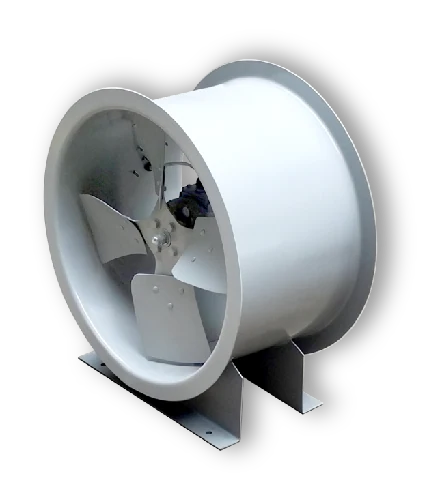
A wall opening, a ventilation duct and a tunnel shaft can all use an axial airflow route, but they do not ask the fan to do the same job. An engineering buyer assessing an axial flow fan manufacturer should start with the air path and resistance, then define the medium, installation and required operating modes. TWOSUN’s fan portfolio includes T35-11 and DZ axial ranges, DFBZ wall-mounted configurations, HTF smoke-exhaust equipment and DTF metro or tunnel axial fans. Compare the selected assemblies within those real routes rather than assuming a common diameter makes them interchangeable.
The distinction matters on a plant expansion. One part of the building may need a short discharge through a wall, while another requires air to move through a long duct route. The requested volumes can be similar, yet the pressure, supports and access conditions differ. The manufacturer’s proposal should explain which selected family addresses each route and what operating point it will deliver.
TWOSUN FANS is the brand of Zhejiang Shuangyang Fans Holding Co., Ltd. Its company information connects fan design, manufacturing and technical support. Use the selected axial family and project duty to focus that conversation, rather than treating the company’s entire specialist portfolio as one interchangeable range.
An axial flow fan manufacturer should compare the air route before the motor
In an axial fan, the main flow passes through the impeller broadly along its axis. That description explains the fan type, but it does not establish one universal pressure limit or installation. AMCA’s standards handbook provides the terminology used to distinguish fan types. The selected aerodynamic duty still has to come from the actual equipment data.
T35-11 and DTF assemblies should not be compared by nominal diameter alone
TWOSUN identifies T35-11 as an axial-flow ventilation range and DTF as part of its metro and tunnel portfolio. Their different application routes call for a different technical review. Request the selected model, speed, airflow, pressure and arrangement for each enquiry. A shared axial principle does not mean equal performance, construction or documentation.
For a purchasing team receiving a motor-based schedule, return the missing duty to engineering. Motor power tells you about the supplied drive, not how much air the fan will move against an unspecified system. The same motor rating can appear in different selections with different airflow and pressure relationships. Keep the required operating point beside the equipment identity.
Axial fan pressure needs a defined basis and inlet condition
State whether the duty uses static or total pressure and identify the conditions at the inlet. A volume at one temperature or reference basis may not describe the same mass flow as an equal-looking volume under another condition. The supplier needs the basis used by the project designer to make a meaningful selection.
AMCA’s fan-curve guidance explains why pressure and airflow must be read at a common point. For T35-11, DZ or DTF equipment, obtain the selected data rather than combining maximum values from different parts of a table. That comparison should also retain the proposed speed and input information.
Compare axial ventilation ranges for short air paths without assuming free airflow
A short wall route can have less duct resistance than a long ventilation network, but it is not automatically resistance-free. Guards, weather-related components, dampers and the wall opening can influence the selected duty. Show the complete air path when discussing a wall or short-route installation with the manufacturer.
DFBZ wall-mounted fans begin with the actual wall opening and discharge
TWOSUN lists DFBZ as a wall-mounted ventilation configuration. Confirm the selected connection, mounting and electrical arrangement against the actual wall. The installer needs the supported opening and access information, while the ventilation designer needs the flow and resistance conditions. A representative wall-fan photograph does not provide all of those details.
The DFBZ wall-opening and air-route guide follows those interfaces and the replacement-air questions that belong with a wall-fan enquiry.
For a warehouse owner adding wall exhaust, replacement air deserves attention as well. A fan cannot establish the intended building airflow route if the design leaves the incoming air path unresolved. The building designer should define that route, while the supplier confirms the selected DFBZ assembly against the required operating condition.
Describe exposure at the wall as part of that brief. Rain, external wind, humidity or a corrosive process environment can raise different construction and accessory questions. The DFBZ proposal should identify the arrangement actually offered for those conditions. Do not infer a weather, corrosion or hazardous-area rating from the fact that the product is wall-mounted. If the air contains a hazardous constituent, the project needs the corresponding equipment and approval review.
DZ low-noise axial and T35-11 options need a specific installation comparison
TWOSUN identifies DZ as a low-noise axial range. If sound is important, request the sound-data basis at the selected duty rather than treating the name as a receiver-level guarantee. Compare the proposed DZ and T35-11 assemblies using the same airflow, pressure and installed surroundings.
In a production area adjacent to offices, the position of the fan may matter as much as the overall source figure. Sound can reach occupied spaces through the air route, enclosure or supports. The project’s acoustic review should determine what data and treatment are needed. The supplier should state the equipment information it can provide for the selected assembly.
| Project sketch | TWOSUN route to discuss | Question that prevents a false match |
|---|---|---|
| Short wall discharge | DFBZ; a separately selected T35-11 or DZ arrangement where appropriate | What resistance and mounting arrangement does the completed opening impose? |
| Ducted axial air movement | A selected axial configuration matched to the duty | Which inlet, outlet and pressure conditions were used in the selection? |
| Metro or tunnel axial duty | DTF and the relevant installation variant | Which operating modes and project-specific records are required? |
| Specified smoke-exhaust function | HTF or an appropriately reviewed specialist configuration | Does current evidence cover this selected model and emergency duty? |
Ducted axial fan selection must include the connections around the impeller
An axial fan installed between ducts depends on the flow conditions at both ends. A nearby bend, abrupt transition or poorly positioned accessory can affect the installed result. Greenheck’s general discussion of system effects explains these connection issues. Its own product ratings are not TWOSUN selection data.
A DTF inlet arrangement should be reviewed with the actual duct section
TWOSUN’s DTF literature includes a small-fan series described with sizes of 355–1,120 millimetres, while the wider portfolio also shows large and vertical arrangements. The catalogue section identifies a family range rather than a rating for every DTF configuration. Confirm the particular section, selected model and installation variant used in the offer.
The same small-fan literature gives family-level airflow and total-pressure maxima. Those figures should not be combined into a single guaranteed duty. Request the selected performance for the proposed model and speed, and compare it with the shaft or duct calculation. The original tunnel fan catalogue is supporting literature, while the approved equipment selection remains the purchase basis.
Specifically, that small DTF section describes airflow up to 100,000 cubic metres per hour and total pressure up to 1,500 pascals. These are separate catalogue range descriptors, not a statement that every listed size provides both maxima simultaneously. A buyer can use them to identify the literature section to discuss, then obtain the model-specific curve needed to establish an actual duty.
The same DTF literature describes an IP55 motor protection grade and insulation class H in its construction discussion. Treat those as descriptions to confirm against the selected motor, not a substitute for its submitted data. IP protection and insulation classification address different aspects of the motor; neither, by itself, establishes the complete fan’s suitability for a stated emergency duty or process environment.
The small DTF section also discusses a statically adjustable blade arrangement. If that feature is relevant to the proposed selection, record the approved configuration and request the corresponding manufacturer instructions. Do not confuse a preset blade arrangement with the separate variable-blade configurations shown in the wider TWOSUN range. An adjustment affecting performance belongs in a controlled technical review, not an undocumented commissioning change.
For a ducted plant installation with a tight elbow, provide the actual geometry rather than asking for a universal straight-duct distance. The manufacturer and designer need to review the selected assembly and connection conditions. Increasing speed without that review can change power and sound while leaving the reason for the deficiency unresolved.
Vertical DTF arrangements need their own support and service discussion
TWOSUN lists DTF(R) vertical axial configurations. State the intended orientation explicitly and obtain the corresponding drawing. The fan’s airflow direction, supports, connections and removal route should agree with the installed position. A horizontal assembly should not be treated as suitable for vertical use without confirmation.
For a contractor coordinating a shaft, the removal route may be the limiting issue. Check how the relevant service component can leave the installed position after ducts, platforms and electrical services are complete. Keep the selected equipment’s maintenance instructions with that review rather than relying on access shown around a different arrangement.
HTF smoke operation is a different approval question from everyday axial ventilation
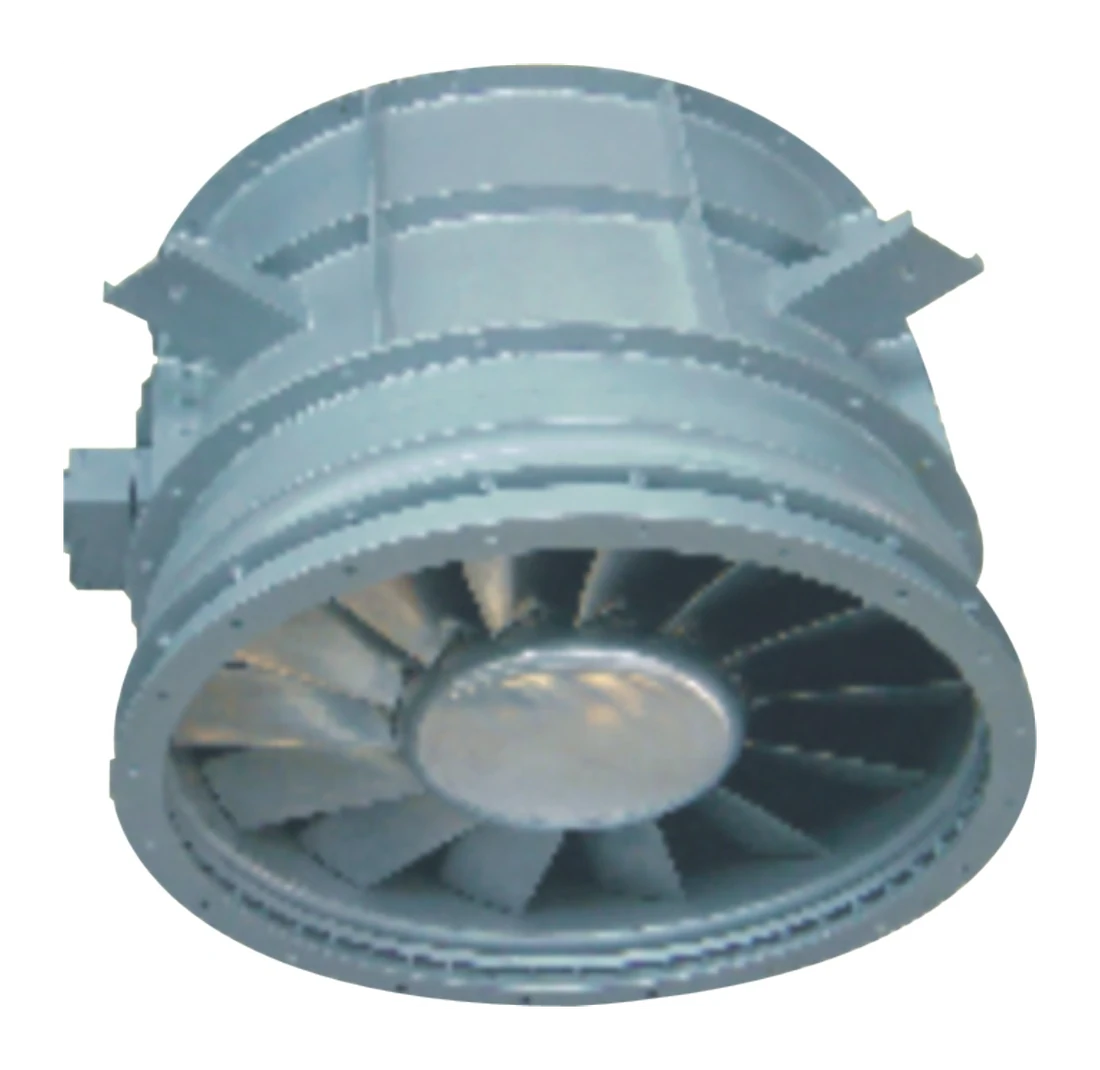
TWOSUN presents HTF in its smoke-exhaust range. A project specifying that function should state the required operating duty, temperature-time condition, control sequence and approval evidence. The current TWOSUN guidance asks buyers to confirm the scope for the selected model. Do not transfer an emergency rating to an unrelated T35-11 or DZ assembly.
Likewise, a normal DTF ventilation selection does not automatically cover every tunnel emergency requirement. Keep normal and emergency modes separately identified. The guide to tunnel jet and main-fan duties explains why the equipment role and project evidence need to remain explicit in a tunnel package.
If a specification mentions reversible operation, request directional data and the selected arrangement rather than assuming a reversing motor creates equal performance. The ventilation designer should define the required duty in each direction. The supplier should confirm what the proposed axial assembly can provide and what operating conditions apply.
The axial fan offer should identify the assembly that will reach the installation
For each selected T35-11, DZ, DFBZ, HTF or DTF item, retain the complete designation, motor information, airflow direction and approved drawing reference. Identify supplied guards, dampers or other relevant components, and clarify which installation items are outside the fan package. The range list is useful for navigation; the order needs a defined equipment scope.
TWOSUN describes aerodynamic measurement, balancing and inspection in its manufacturing and testing information. Request records matched to the selected assembly and project requirements. A general balancing capability or company certificate does not demonstrate the airflow duty or specialist approval of every axial fan.
For several axial units supplied to one site, agree how their installation positions will be distinguished. A T35-11 ventilation unit and a specialist HTF assembly should retain separate equipment identities even if their connection sizes look similar. The schedule, delivery marking and technical documents should make the intended location and duty clear. That prevents a receiving or installation shortcut from undoing the manufacturer’s reviewed selection.
For delivery, distinguish compact wall equipment from large axial assemblies and separately supplied components. TWOSUN shows wooden export packing, but the actual package supports, dimensions and storage instructions need order-specific confirmation. Coordinate the handling route and preserve the equipment identity through receiving and installation.
Make the final comparison with the original air route still visible. A wall-mounted selection should answer the wall duty; a ducted selection should answer the system resistance and connection conditions; a specialist selection should carry the required evidence. The useful axial-fan decision is the one that explains those differences before similar-looking equipment reaches the wrong installation.
