
Blog
Wall Mounted Ventilation Fan Supplier Choices for Short Exhaust Routes

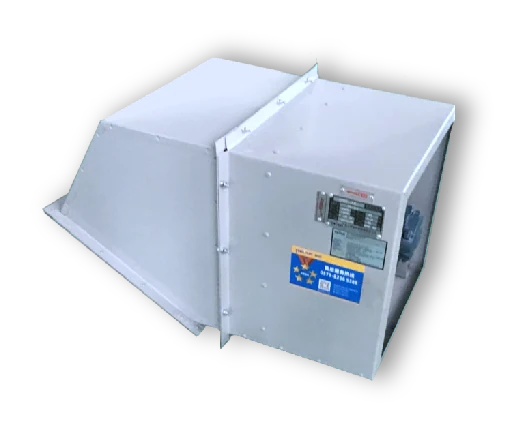
A convenient wall opening is not necessarily a complete ventilation solution. A warehouse owner or contractor choosing a wall mounted ventilation fan supplier should first establish the intended air route, available replacement air and the resistance of the finished opening. TWOSUN lists the DFBZ wall-mounted fan, T35-11 and DZ axial ranges, GDF duct fans and DWT-I roof configurations. Start with DFBZ where a square wall-mounted arrangement fits the requirement, then compare other routes if the air must travel through ducts or reach a different discharge position. Ordinary room ventilation should not be assumed to cover an undefined hazardous process exhaust.
For a warehouse with warm air accumulating near one end, the temptation is to put the largest practical fan in the nearest wall. The more useful first drawing shows where air enters, how it passes the occupied or working area and where it leaves. A wall fan should serve that intended path rather than create a short circulation route between nearby openings.
A wall mounted ventilation fan supplier needs the complete opening arrangement
TWOSUN’s DFBZ literature describes a square wall-mounting low-noise axial-flow fan. That construction creates a useful starting point for a direct wall ventilation enquiry. The selected unit still needs to be reviewed against the wall, medium, airflow direction and required duty. The installed assembly includes more than the visible impeller opening.
The DFBZ square frame and wall opening have different dimensions
The original TWOSUN manual separates model dimensions, overall mounting dimensions and the wall-opening requirement. For example, its DFBZ 2.8 drawing row shows a 400 by 400 millimetre overall dimension and a 355 by 355 millimetre wall opening. These are catalogue drawing examples, not dimensions to use for every DFBZ selection. Obtain the approved drawing for the actual ordered unit before forming the opening.
This distinction matters in a replacement. An existing square opening can appear large enough for a nominal fan size while failing to match the new frame or fixing arrangement. Measure the retained interface and submit it with the enquiry. Do not assume a nominal size or an old model label establishes interchangeability with the selected replacement.
The same DFBZ 2.8 catalogue row labels an L dimension of 320 millimetres. Keep that dimension’s drawing reference rather than treating it as another opening size. The example shows why a frame width, mounting depth and clear wall aperture need separate entries in the installation review. The selected current drawing should govern each dimension and the corresponding wall detail.
DFBZ shutter and guard descriptions should follow the selected arrangement
TWOSUN’s DFBZ manual discusses an outside shutter arrangement and a rear protective metal mesh, alongside the square housing construction. Confirm the components supplied with the selected assembly and the intended installation direction. A guard or shutter shown in product literature should not be assumed included where the confirmed offer describes a different arrangement. Confirm the free space required for the selected DFBZ shutter to move.
For a wall exposed to external weather, explain the actual conditions and ask for the proposed configuration. A shutter description does not establish a universal weather, corrosion or wind-performance rating. The building designer should coordinate the wall detail, water management and external exposure with the supplier’s selected equipment information.
Match the DFBZ wall-fan duty to the air that can actually reach it
The fan’s required airflow should come from the building or process ventilation design. The selected equipment must then meet that flow against the resistance of the actual opening and accessories. Free-air figures alone do not describe every completed wall installation. Include the relevant guard, shutter or other specified component in the performance discussion.
Replacement air is part of the wall ventilation route
If the building design does not provide an adequate incoming air path, the exhaust fan cannot establish the intended flow simply by having a larger motor. The ventilation designer should identify the supply or replacement-air route and its conditions. The DFBZ supplier should receive that system context rather than an isolated request for a wall fan.
For a contractor replacing several wall units, note whether doors, louvers or other openings have changed since the original installation. A warehouse divided into new rooms may no longer share the same air path. The replacement duty should reflect the current layout, not an assumption that the old fan positions still serve the same spaces.
The DFBZ manual illustrates wall-mounting arrangements with airflow direction identified. State whether the project needs supply or exhaust and obtain the corresponding offered configuration. Do not assume the shutter, guard and electrical-access arrangement can be reversed at site without review. The drawing should make the intended inside and outside faces clear to the installer before the wall assembly arrives.
A short wall route can still contain meaningful resistance
Describe the completed opening, including any duct sleeve, protection or control component required by the project. Ask what installation arrangement the selected performance data assume. Technical guidance on system effects explains why local inlet and outlet conditions can affect fan performance. It does not supply a universal correction for a TWOSUN wall installation.
For the DFBZ proposal, keep the selected model, speed and operating point together. If the supplier offers a different arrangement to overcome the required resistance, review its dimensions and motor information as well. A change made for airflow can affect the opening and access decisions already being coordinated by the contractor.
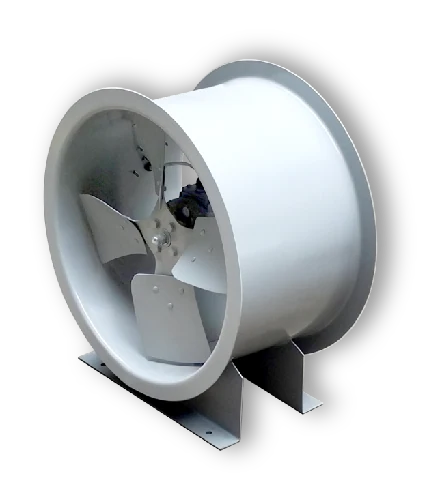
Compare T35-11 and DZ alternatives without losing the wall interface
TWOSUN lists T35-11 as an axial-flow range and DZ as a low-noise axial range. These can support a separate technical comparison when the project is evaluating its ventilation arrangement. The selected mounting, connections and duty should be explicit. A circular axial assembly should not be assumed to replace a square wall-mounted configuration without a reviewed interface.
T35-11 nominal size is not a wall-opening approval
Obtain the drawing for the actual selected T35-11 arrangement and compare it with the retained or proposed opening. Identify the support, airflow direction and electrical access. The comparison of axial fan air routes explains why wall, ducted and specialist axial duties should remain separate during selection.
If the installation needs an additional transition or support, identify who supplies it and how it affects the air path. Do not assume a locally fabricated connection is aerodynamically neutral. The selected fan should be reviewed with the completed arrangement rather than approved from the isolated product outline.
DZ low-noise selection needs a comparable sound-data basis
TWOSUN’s DZ description identifies a low-noise axial route, but it does not establish the sound pressure at a neighbouring office or outside receiver. Request the available sound information at the selected operating condition, including its basis. Compare the proposed equipment at the same duty before treating one source figure as the better solution.
If the wall unit will operate near a frequently occupied area, describe the expected operating times and modes as part of that comparison. A DFBZ or DZ selection used only intermittently can create a different project acoustic question from one running throughout the occupied period. The source information still needs to refer to the offered equipment, while the receiving-space criteria come from the building assessment.
The distinction between source sound power and received sound pressure helps structure this review. The building surroundings and fan position matter to the receiver assessment. A low-noise range name should not replace the project’s acoustic evaluation where that evaluation is required.
GDF duct and DWT-I roof routes become relevant when the wall location is wrong
Sometimes the wall opening is convenient for installation but unsuitable for the intended air route or discharge location. TWOSUN’s GDF centrifugal duct and DWT-I axial roof configurations offer different routes for discussion. Compare their selected performance and physical interfaces with the complete revised system rather than carrying the wall-fan duty unchanged into another arrangement.
A GDF duct route introduces a new pressure and service envelope
If air must be collected remotely and carried to a different discharge point, the duct route needs its own resistance calculation. The selected GDF assembly should be compared at that duty, with access and connection geometry shown. The GDF installation guide separates delivery, connection and service access for constrained building routes.
For an operator considering a short wall fan versus a ducted extraction route, identify what each arrangement is intended to accomplish. General room ventilation and source extraction are different design tasks. The required capture, medium and discharge conditions should be established by the appropriate designer before the fan equipment is selected.
A DWT-I roof option changes the civil and maintenance interfaces
A roof route may avoid one wall-location conflict while introducing a roof opening, support and access requirement. Obtain the selected DWT-I drawing and performance data for the revised air path. The roof-fan interface guide explains why those details should be settled before the roof penetration is fixed.
Do not choose the roof route merely because it uses a different discharge position. The project still needs a defined incoming air path and an appropriate medium and sound assessment. The value of the alternative is that it can be reviewed against the actual building problem, not that every roof assembly is preferable to every wall fan.
Keep wall-fan medium and specialist approval requirements explicit
Describe the air temperature, moisture, corrosion exposure and any entrained material. If the project involves a hazardous atmosphere, state the required equipment and approval scope from the competent assessment. TWOSUN presents specialist product documentation in its wider portfolio, but that documentation should not be transferred to an arbitrary ordinary DFBZ, T35-11 or DZ selection.
The original DFBZ literature includes configuration and approval descriptions. Treat those as information to reconcile with current model-specific records, not as a blanket statement that every offered wall fan has every listed approval. The selected equipment and evidence should agree with the actual application and current project requirements.
TWOSUN describes aerodynamic measurement, balancing and inspection in its testing information. Agree the records relevant to the selected wall assembly. A general company certificate does not establish the supplied unit’s operating point or replace a specialist approval that the project explicitly requires.
Deliver the wall assembly with the opening and installation identity preserved
Before order release, align the selected DFBZ configuration, motor information, airflow direction, supplied shutter or guard, and approved mounting drawing. The installer should know which face belongs outside and how the assembly relates to the wall detail. Keep the original DFBZ literature as supporting information alongside the current selected drawing.
For shipment, confirm how the square frame and any shutter or separately supplied component will be supported and protected. TWOSUN shows wooden export packing, but the actual packaging and storage instructions depend on the selected equipment. A frame that is distorted during handling can create an installation problem even when the nominal opening size is correct.
For several wall units, retain the zone or room reference on the delivery and installation documents. Similar-looking DFBZ or axial units can serve different duties or orientations. Clear identification helps the receiving team preserve the selection decisions rather than distribute equipment by appearance alone.
Approve the wall-fan purchase when the building air route, selected duty and finished opening agree. The DFBZ frame is only one part of that decision. The useful installation moves air through the intended space, connects correctly to the wall and remains accessible for the service the selected assembly requires.
