Blog
Tunnel Ventilation Fan Manufacturer Selection Across Jet and Main-Fan Duties

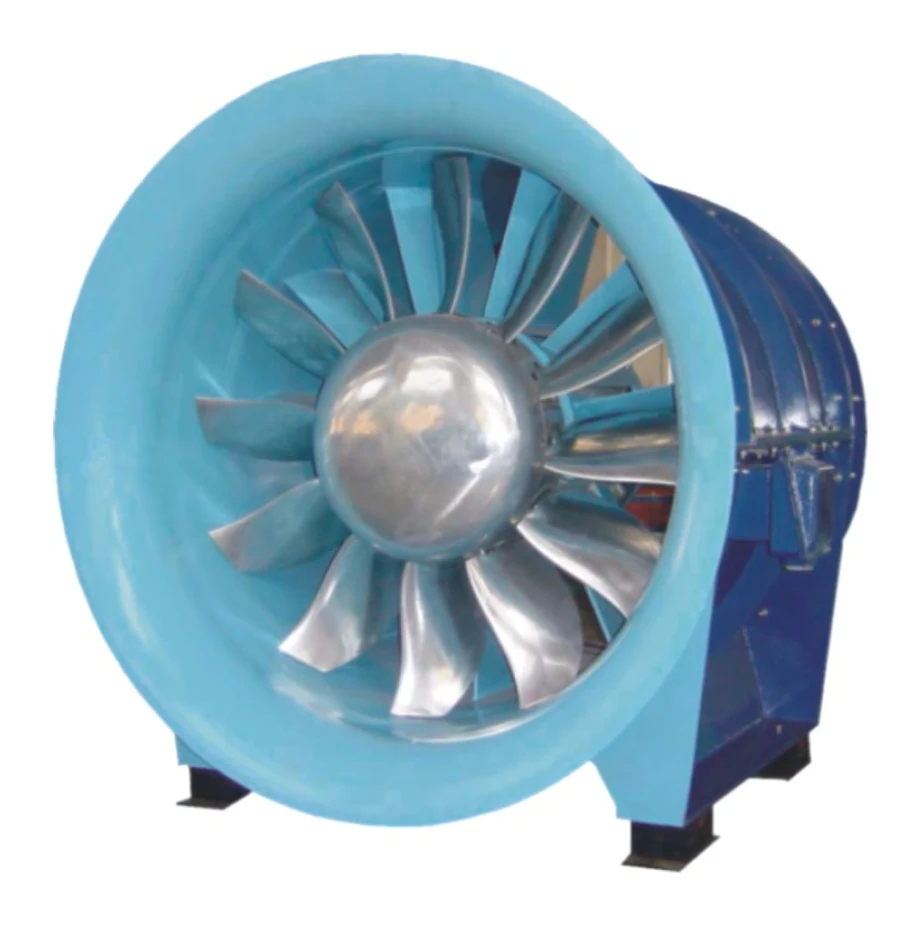
A tunnel equipment schedule can contain two fans with similar-looking airflow figures but completely different jobs. One drives air along the tunnel; another moves air through a shaft or duct against system resistance. A contractor evaluating a tunnel ventilation fan manufacturer should separate those duties before comparing prices. TWOSUN’s metro and tunnel range includes SDS jet fans, SDS(R) bidirectional configurations, DTF axial assemblies, vertical DTF(R) arrangements and main-system exhaust fans. Start with the ventilation designer’s operating modes, then assign each equipment item a clear role, installation envelope and evidence requirement.
Imagine a road tunnel package at the point where civil openings are being fixed. The longitudinal ventilation schedule asks for jet fans beneath the tunnel ceiling. A separate shaft schedule specifies an airflow and pressure. Treating both schedules as a single list of axial fans would conceal the distinction between thrust-based equipment and a fan selected against duct or shaft resistance. The procurement package should preserve that distinction from the first enquiry.
A tunnel ventilation fan manufacturer needs two different performance conversations
For the longitudinal jet-fan route, discuss the thrust requirement and the conditions under which it is stated. For a ducted or shaft fan, discuss airflow and pressure at the specified operating point. These are related parts of a ventilation system, but the procurement descriptions should not collapse into one interchangeable performance figure.
SDS jet fans are selected for a longitudinal air-moving role
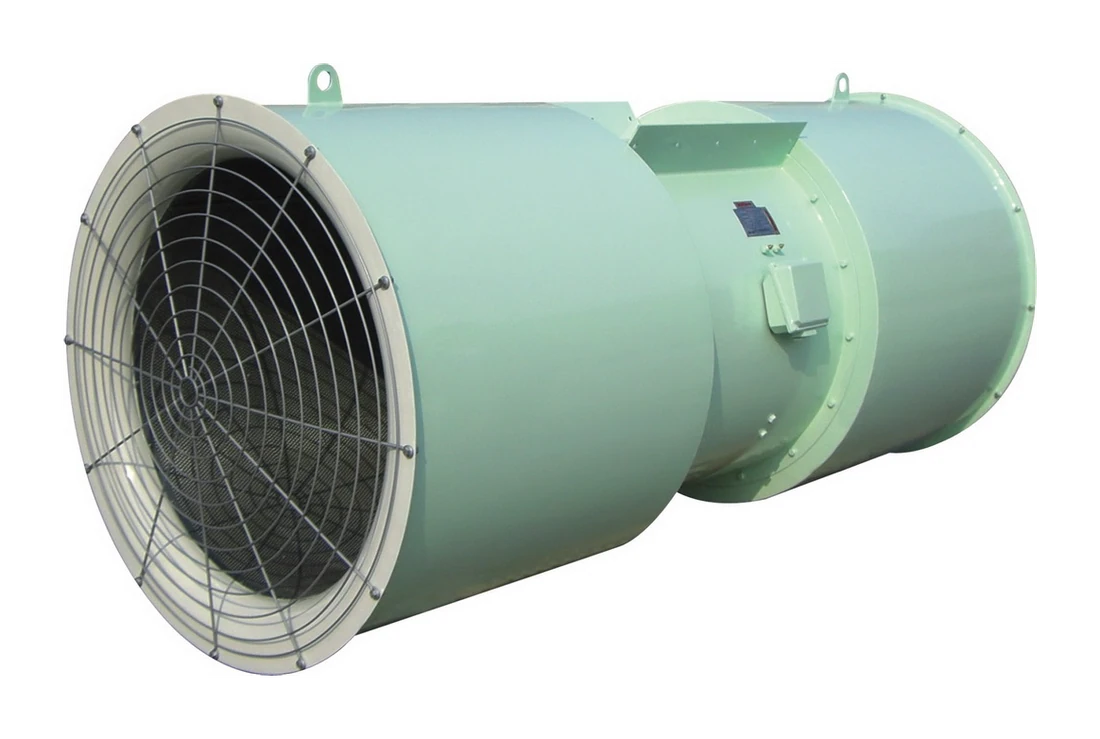
TWOSUN’s tunnel catalogue describes SDS and SDS(R) jet assemblies comprising an impeller, motor, casing, silencer and mounting bracket. The catalogue describes a family diameter range of 630–1,600 millimetres. That range identifies the scope of the literature; it does not establish the size, thrust or installation clearance required for your tunnel. Obtain the selected assembly data and drawing.
The more detailed jet-fan thrust and clearance discussion explains how silencer arrangements and mounting geometry belong in the same supplier comparison.
The performance enquiry should state whether the required thrust concerns a bare assembly or the offered arrangement with silencers and other specified components. Ask for the applicable test basis. AMCA Standard 250’s published scope distinguishes jet-fan performance for longitudinal applications from ducted fan applications. A reference to the method does not itself mean a TWOSUN product is certified under a rating programme.
Thrust is a force, normally stated in newtons, whereas a shaft-fan pressure duty is stated in pressure units such as pascals. An SDS offer that supplies only motor power and airflow therefore leaves an essential jet-fan comparison unresolved. Conversely, a DTF shaft selection cannot be accepted from a thrust figure. Keep the performance quantity and its units in the equipment schedule so a later commercial revision cannot silently change the comparison basis.
DTF axial fans require an airflow-and-pressure duty
The DTF route includes axial fans for metro and tunnel ventilation. TWOSUN’s catalogue shows a small-fan series with sizes described as 355–1,120 millimetres, alongside other DTF configurations in the wider portfolio. Confirm which series and arrangement a proposal uses. Do not transfer the range of one DTF section to every large or vertical fan carrying a related series name.
For a shaft connected to ductwork, the selected fan needs to meet the required volume at the defined pressure and inlet conditions. A nominal diameter cannot establish that duty. Include the shaft transitions, dampers and other resistance-producing elements in the system information supplied to the manufacturer. The tunnel designer remains responsible for the required system performance. The comparison of axial fan air routes places DTF equipment alongside other axial applications without treating them as interchangeable.
SDS and SDS(R) direction requirements should be explicit in the tunnel fan brief
“Reversible” is not a complete performance statement. A tunnel package may require operation in both directions, but it also needs to define the required performance in each direction and the transition between modes. TWOSUN distinguishes SDS unidirectional and SDS(R) reversible or bidirectional configurations in its published material. Keep the complete selected designation in the equipment schedule.
Forward and reverse thrust deserve separate acceptance entries
The TWOSUN tunnel catalogue distinguishes reversing a directional arrangement from selecting a reversible configuration intended for bidirectional duty. Do not assume identical directional performance from a reversing motor alone. Request the forward and reverse data for the actual proposed assembly, including the supplied silencers and any direction-dependent components.
For the tunnel contractor, this affects more than a curve. The control narrative needs to identify which command produces which airflow direction, how direction is indicated and what conditions govern a reversal. Those requirements should come from the project’s engineered sequence and the selected motor and drive instructions. Do not convert a general catalogue reversal description into an approved control timer.
Direction names also need a physical reference. Define forward airflow relative to tunnel chainage or another project coordinate, then relate that reference to the fan drawing and electrical documentation. With several similar SDS(R) units installed along a tunnel, an ambiguous forward label can propagate across multiple equipment items. Resolve it in the submission rather than leaving commissioning personnel to infer the intended direction from a motor-rotation arrow.
Suspended SDS assemblies need a defined ceiling envelope
TWOSUN shows suspended jet configurations as well as other SDS arrangements. Draw the complete installed envelope, including silencers, brackets, electrical access and any specified guards. Compare that envelope with tunnel clearances and nearby services before the mounting locations are committed. A diameter figure leaves out much of the space occupied by the installed assembly.
A second practical scenario is a renewal project with existing brackets. The old bolt pattern can be measured, but it should not dictate a new fan without structural and performance review. Ask whether the proposed suspended arrangement matches the required support conditions. The civil or structural designer should verify the anchorage against the project loads; a visually similar bracket is not evidence of interchangeability.
Vertical DTF(R) and main-system exhaust fans bring civil interfaces into selection
A shaft fan can satisfy its aerodynamic selection and still be difficult to install or maintain if the civil interfaces are unresolved. TWOSUN lists DTF(R) vertical axial arrangements and main-system exhaust configurations. For either route, obtain the selected general arrangement drawing early enough to coordinate supports, openings, access and connecting components.
DTF(R) vertical mounting changes the installation discussion
State the intended mounting orientation rather than letting the manufacturer infer it from a sketch. Identify the airflow direction, connection positions and access route for the motor and rotating assembly. The selected arrangement should also show how the fan interfaces with the surrounding structure and ductwork. Do not assume a horizontal selection can simply be installed vertically.
TWOSUN’s DTF literature describes installation and maintenance-related features, but the buyer still needs the instructions for the supplied configuration. A removable connection or accessible service point is useful only if the installed layout preserves the required space. Review component removal on the drawing, including the route by which the removed component will leave the shaft or plant room.
Main-system exhaust duties include the connecting dampers
A main exhaust fan does not operate independently of its air path. Show the expected damper positions and operating modes when the duty is defined. A damper that is partly open or located in a disturbed inlet flow can affect performance. Include the supplied or separately supplied damper arrangement in the technical discussion rather than treating it only as a commercial accessory.
For a multi-fan shaft, the designer should also define the intended operating combinations and isolation requirements. Ask the manufacturer to assess the proposed fan against that duty information. Do not infer system redundancy, reverse-flow behaviour or acceptable parallel operation from the availability of several similar fan models. Those are system decisions that require their own engineering basis.
Installation geometry should be reviewed before the selection is considered final. If the DTF inlet is close to a shaft transition or a damper, send the arrangement to the manufacturer and designer. Greenheck’s technical guidance on installation effects describes the general consequence of disturbed flow near a fan. Its own product specifications do not apply to TWOSUN; the useful principle is that the actual connection arrangement matters.
Tunnel smoke duty requires evidence for the selected fan and operating mode
Everyday tunnel ventilation and emergency smoke operation can impose different requirements. The project should state the required emergency duty, temperature-time condition, applicable standard and supporting documentation. TWOSUN’s current product guidance explicitly calls for model-specific confirmation of ratings and approval scope. Keep that confirmation attached to the selected DTF or SDS assembly.
The original catalogue contains historical descriptions of testing and emergency operation. Use these to identify questions, then request current evidence for the offered model. A historical catalogue statement is not a substitute for checking the validity, configuration and scope of the documents required by the present project. Avoid treating one tested arrangement as proof for the full portfolio.
Silencers and controls must remain inside the emergency-duty review
The fan’s required operating capability should be considered alongside the components necessary for its operation. For an SDS jet assembly, confirm which silencer configuration is included in the submitted performance and dimensional information. For a DTF exhaust route, coordinate the relevant damper and control requirements with the project designer. Do not assume ordinary accessories are suitable for an emergency function without the required evidence.
The same discipline applies to power and control interfaces. Identify who supplies the control cabinet, who defines the sequence and who verifies the connected system. TWOSUN lists fan-system controls and associated components, but the public portfolio does not establish a turnkey life-safety design service for every project. Allocate responsibilities explicitly in the supply schedule.
For a tunnel that uses a lower everyday operating mode, specify that mode separately from the emergency requirement. The selected SDS or DTF assembly should have identifiable data and control information for the intended operation. Do not assume a motor arrangement shown in one catalogue table is the arrangement included in every offer. The complete submitted designation and motor information must agree with the operating schedule.
Make the tunnel fan submission usable during installation and acceptance
The final equipment submission should let the site team identify each jet fan and shaft fan without interpreting a generic product brochure. Retain the complete model designation, equipment tag, selected performance, electrical supply, orientation and approved drawing reference together. Identify any separately supplied silencers, dampers or mounting components and how they correspond to the fan.
TWOSUN describes aerodynamic measurement, balancing and inspection in its testing information. Agree which records are needed for each equipment type. A jet-fan thrust submission and a ducted axial performance submission should answer the relevant requirement. A company-level certificate should not displace either equipment-specific record. For the production stages behind these documents, see the review of fan fabrication and rotating-assembly checks.
For delivery, consider the long assembly length created by a jet fan and its silencers, and the handling route for a large axial unit. TWOSUN shows wooden export packing; actual package dimensions, supports and lifting instructions require confirmation for the selected order. Coordinate whether assemblies arrive complete or with identified separate parts, and preserve the manufacturer’s storage instructions if installation will follow later.
Where the tunnel programme calls for staged deliveries, distinguish manufacturing release from site readiness. The first SDS shipment may be needed for one tunnel section while a DTF shaft installation waits for civil access. Request a delivery proposal against those named equipment groups and their inspection requirements. TWOSUN’s public material does not establish a fixed lead time or a standard staged-delivery commitment for every order.
Keep the original TWOSUN tunnel fan catalogue beside the project submission as supporting literature. The controlling documents should remain the approved selection and arrangement for your equipment. When a jet-fan proposal answers the thrust duty and a shaft-fan proposal answers the airflow-and-pressure duty, the procurement package is finally describing the ventilation system the designer intended.
