
Blog
Before Choosing a High Temperature Centrifugal Fan Supplier, Define the Thermal Duty

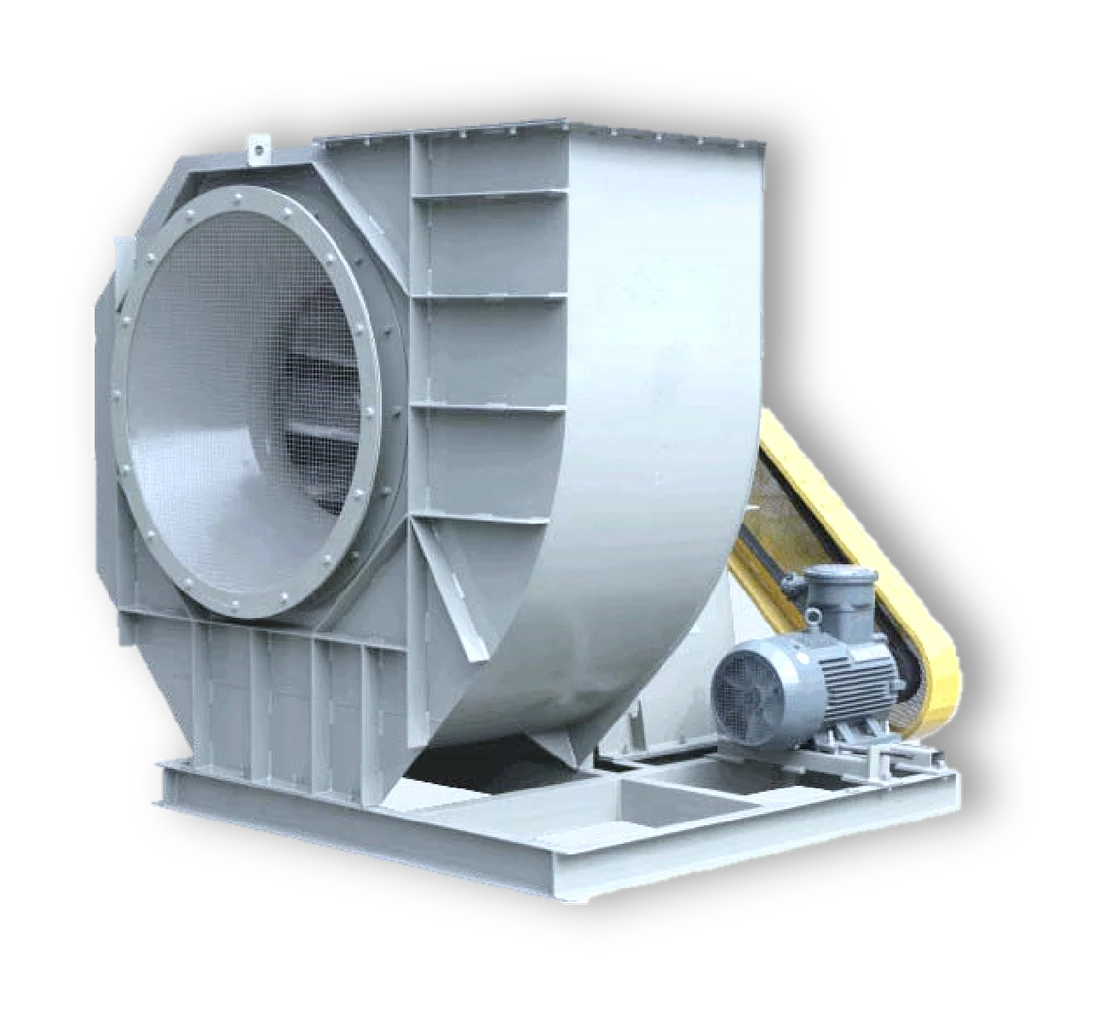
PROCESS EXHAUST · THERMAL OPERATING ENVELOPE
The hottest temperature on a process schedule is only one part of a hot-fan purchase. An oven or exhaust line also starts cold, changes load and eventually shuts down. A buyer choosing a high temperature centrifugal fan supplier should describe those states before approving the motor, drive and construction. TWOSUN lists a D-type high-temperature fan configuration, together with 4-72, 4-79, 9-19 and 6-48 centrifugal routes for different duties. Begin with the D-type thermal discussion where appropriate, then require a selection matched to the actual temperature profile, process medium, airflow and pressure.
For a production engineer purchasing an oven-exhaust assembly, this means resisting a tempting shortcut: copying the motor rating from a fan that runs comfortably once the oven is hot. The replacement must cover the intended startup and operating conditions as an agreed system. A catalogue thermal description does not, by itself, define that complete operating envelope.
A high temperature centrifugal fan supplier needs more than the maximum gas temperature
State the normal air-stream temperature, expected range, duration at each condition and the nature of any defined excursion. Also describe how quickly the process heats and cools. These details help the supplier understand the thermal duty rather than select from one isolated peak. If an upset condition is not intended to be tolerated by the fan, identify the protective response through the process design.
D-type high-temperature construction should follow the actual exposure profile
TWOSUN identifies the D-type route as a high-temperature configuration. Request the proposed construction, drive arrangement and operating limits for the selected assembly. Do not assume that every size, material or motor arrangement has the same thermal capability. The final offer should state which conditions it addresses and any restrictions that affect operation.
AMCA’s high-temperature fan guidance distinguishes the temperature of the gas inside the fan from the ambient temperature around external components. Preserve that distinction in the enquiry. A fan handling hot air in a well-ventilated area and a fan beside a hot enclosure can expose the motor and bearings differently.
The motor surroundings can be hot even when they are outside the air stream
Show the fan position relative to the oven, hot ductwork and enclosure. Describe the expected surroundings of the motor, drive and service area. For a proposed D-type arrangement, ask how those conditions have been considered. Moving a component outside the gas stream does not automatically place it in a suitable ambient environment.
For an equipment builder enclosing a hot-exhaust fan inside a skid, the enclosure may restrict ventilation around the drive. Include that enclosure in the drawing submitted for review. Do not approve the fan against an open-workshop ambient assumption and later install it inside a hot compartment without returning the arrangement to the supplier.
Keep the maximum air-stream condition and the maximum expected motor surroundings in separate fields. For the D-type review, explain whether those maxima occur together or in different process states. This avoids a supplier interpreting the hottest gas figure as the motor ambient, or overlooking a hot enclosure because the motor is outside the casing. The proposed equipment should address the conditions the plant actually expects.
Cold startup can govern the high-temperature centrifugal motor selection
Temperature changes gas density, and density affects pressure and power interpretation. The process volume must be stated at known conditions. New York Blower’s engineering letter on temperature and altitude explains why fan selection needs the actual gas condition and why a hot system may present a different requirement before it warms up. Its example ratings are not TWOSUN performance data.
A D-type selection should identify both startup and hot-running conditions
Ask the supplier to show how the proposed motor and drive cover the agreed cold and hot operating states. If a controlled startup is proposed, its limits and sequence need to be coordinated with the process and electrical designers. Do not derive a startup procedure from a generic fan article or assume a variable-frequency drive makes every motor selection suitable.
For an operator that starts the exhaust system before heat is introduced, the cold-air condition is part of normal operation. For a process that restarts while still hot, the restart condition may differ again. Give the D-type supplier those states as separate entries rather than asking it to infer the plant sequence from the normal temperature alone.
Actual volume and reference volume should remain distinct in the 4-79 or D-type brief
A process requirement may be expressed as mass flow or as volume at specified reference conditions, while fan data describe volume at the inlet. Identify the basis used by the process designer and the basis used in the offered selection. A matching number of cubic metres per hour is not sufficient if the two figures refer to different conditions.
This also matters when a 4-79 centrifugal arrangement is being considered as an alternative for a duty whose temperature or medium differs from the original enquiry. Reconfirm the selected construction and inlet conditions. The presence of both series in TWOSUN’s portfolio does not establish thermal interchangeability between them.
Thermal movement and service space belong in the D-type arrangement drawing
The fan connects to a hot process, but it must still retain an appropriate mechanical arrangement. The supplier needs the proposed inlet, discharge, supports and surrounding access. Twin City Fan’s high-temperature engineering note identifies material behaviour and thermal movement as design considerations. Its construction options and instructions should not be assumed to be available on a TWOSUN assembly.
Hot duct loads should not be left as an unstated fan-casing requirement
Coordinate the duct supports and any required movement accommodation with the mechanical designer and fan supplier. For the proposed D-type or other centrifugal assembly, identify what interface loads and movements have been considered. Do not assume the fan casing is intended to support an unspecified hot duct system simply because the connection flanges align.
If insulation is planned around the fan or connecting duct, show it on the layout. It can affect access to connections, service points and surrounding components. Ask who provides any required provisions and which details are included in the confirmed scope. The public TWOSUN portfolio does not establish a standard insulation or sealing package for every hot fan.
The insulation scope should also remain consistent with the approved equipment drawing. If site-added insulation would cover a D-type service point or interfere with the drive area, resolve the arrangement before installation. The supplier should identify any equipment restrictions, while the project designer decides how the external insulation work is coordinated. An assumption made by the insulation contractor should not silently change the fan’s reviewed operating environment.
The selected drive arrangement needs its own inspection and removal route
For a hot-process fan, the motor and drive information should be specific enough to plan service. Obtain the selected arrangement drawing and the manufacturer’s instructions. Confirm the space required to inspect and remove relevant components after the hot ductwork, insulation and guards are installed. A clear aisle beside the casing may not provide the access the drive actually needs.
A second practical situation is a plant replacing an old hot-exhaust unit in a room already crowded with services. The new D-type proposal may have a different motor position or service envelope. Compare those details with the current room, not merely the old fan’s connection sizes. Keep any required layout change visible before the order is released.
A hot process medium can require more than temperature-resistant construction
Describe the gas composition, moisture, entrained material and potential corrosion exposure. Temperature is one selection condition among several. TWOSUN’s 6-48 dust-exhaust route may be relevant to a separate discussion where particulate exposure is important, while a 9-19 high-pressure proposal must still address the medium. Neither family name resolves the combined duty without review.
Dust exposure does not disappear when the centrifugal fan runs hot
If particles reach the impeller, provide the information needed to assess wear and accumulation. State where any separator or filter sits relative to the fan. The collector-upgrade guide for dust-exhaust fans explains why that position changes the enquiry. A D-type thermal arrangement should not be assumed to provide every dust-handling feature.
If the process changes products or recipes, identify whether the medium changes with it. An assembly selected for one dry exhaust condition may need a fresh review when moisture, condensable material or another constituent is introduced. The operator should provide the process facts, while the supplier confirms the offered construction against the stated conditions.
High pressure and high temperature remain separate centrifugal selection requirements
When a 9-19 or another pressure-oriented family is discussed, compare its selected aerodynamic duty and its thermal construction separately. A higher pressure capability is not evidence of higher temperature capability. Conversely, a thermal construction description does not prove the required pressure is available at the specified inlet volume.
The purchase should retain the selected curve, inlet condition and construction in one equipment record. If the pressure duty changes after additional treatment equipment is introduced, return that change to the supplier together with the thermal profile. Avoid letting the aerodynamic review and the temperature review proceed on different versions of the process schedule.
Continuous hot exhaust should not borrow a building smoke-fan rating
TWOSUN also lists HTF and cabinet configurations in its building smoke-exhaust portfolio. Their application context differs from a continuous industrial hot-process duty. The required duration, medium, operating sequence and approval evidence need to match the actual application. Do not select a continuous oven-exhaust fan solely because a separate building fan has an emergency thermal description.
Likewise, a D-type process fan’s thermal information does not automatically establish suitability for an emergency smoke-control system. TWOSUN’s current guidance asks buyers to confirm ratings and approval scope for the selected model. Keep the process duty and any emergency duty separately identified, with the responsible designer defining the required evidence.
Release the hot centrifugal fan with operating limits the plant can use
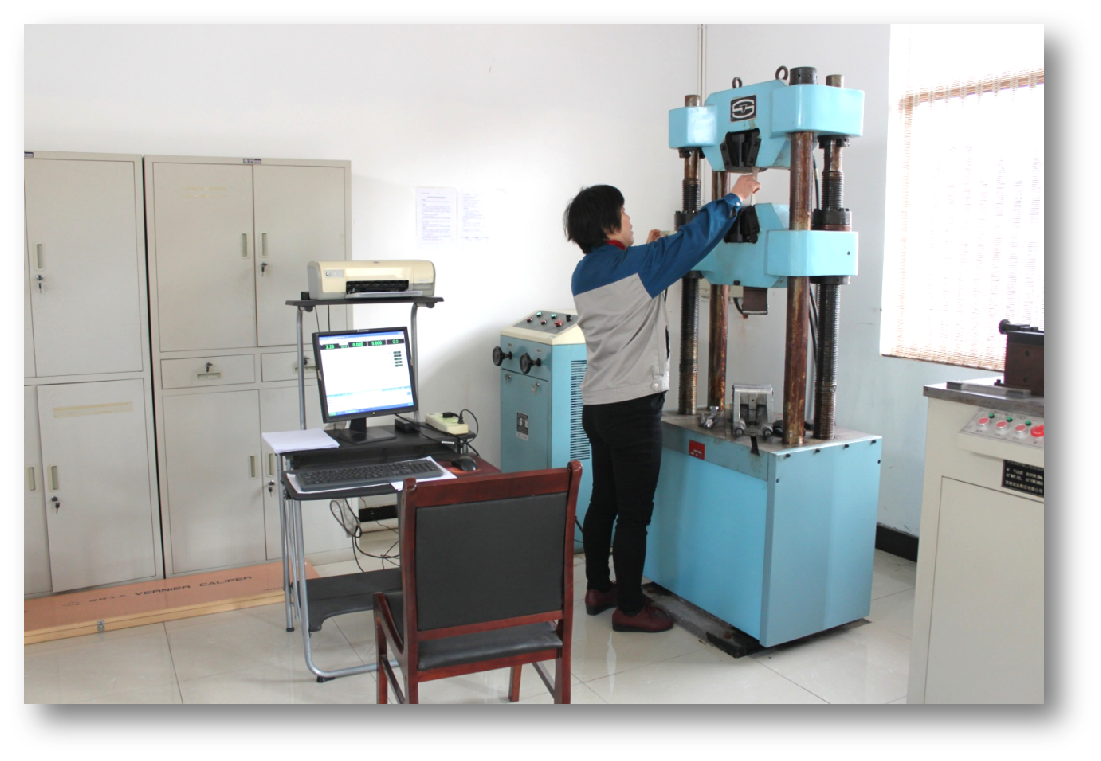
Before approval, reconcile the selected assembly with the temperature profile, inlet-medium description, airflow and pressure basis, motor and drive information, and installation drawing. TWOSUN describes aerodynamic testing, balancing and material checks in its testing information. Agree the records appropriate to this equipment and the project requirements. General laboratory capability is not a substitute for a defined acceptance scope.
The operating documents should identify the conditions under which the fan may be started, operated and shut down, as applicable to the selected assembly. The process and electrical teams need to coordinate those instructions with plant controls. Do not create a universal cooling sequence or temperature ramp from another manufacturer’s service manual.
Where the D-type fan is supplied as part of a larger process package, identify which party incorporates those limits into the control narrative. The equipment supplier, process designer and control contractor should work from the same selected assembly and revision. A useful handoff distinguishes equipment operating limits from process alarms and interlocks, instead of leaving each party to assume that another has covered the thermal transition.
For delivery, confirm how the fan, drive and separately supplied components are supported, identified and protected. TWOSUN shows wooden export packing, but the actual packing and storage instructions should match the selected hot-process equipment. If installation follows later, retain the preservation requirements with the equipment documents rather than separating them from the shipment.
The purchase is ready when the supplier’s selected assembly covers the plant’s intended thermal states and the site layout preserves its mechanical and service requirements. Keep the D-type discussion anchored to that full profile. A hot-running rating that leaves startup, the process medium or the installed drive environment unexplained is still missing part of the job.
