
Blog
Marine Multi-Wing Centrifugal Fan Manufacturer Choices for Compact Air Systems

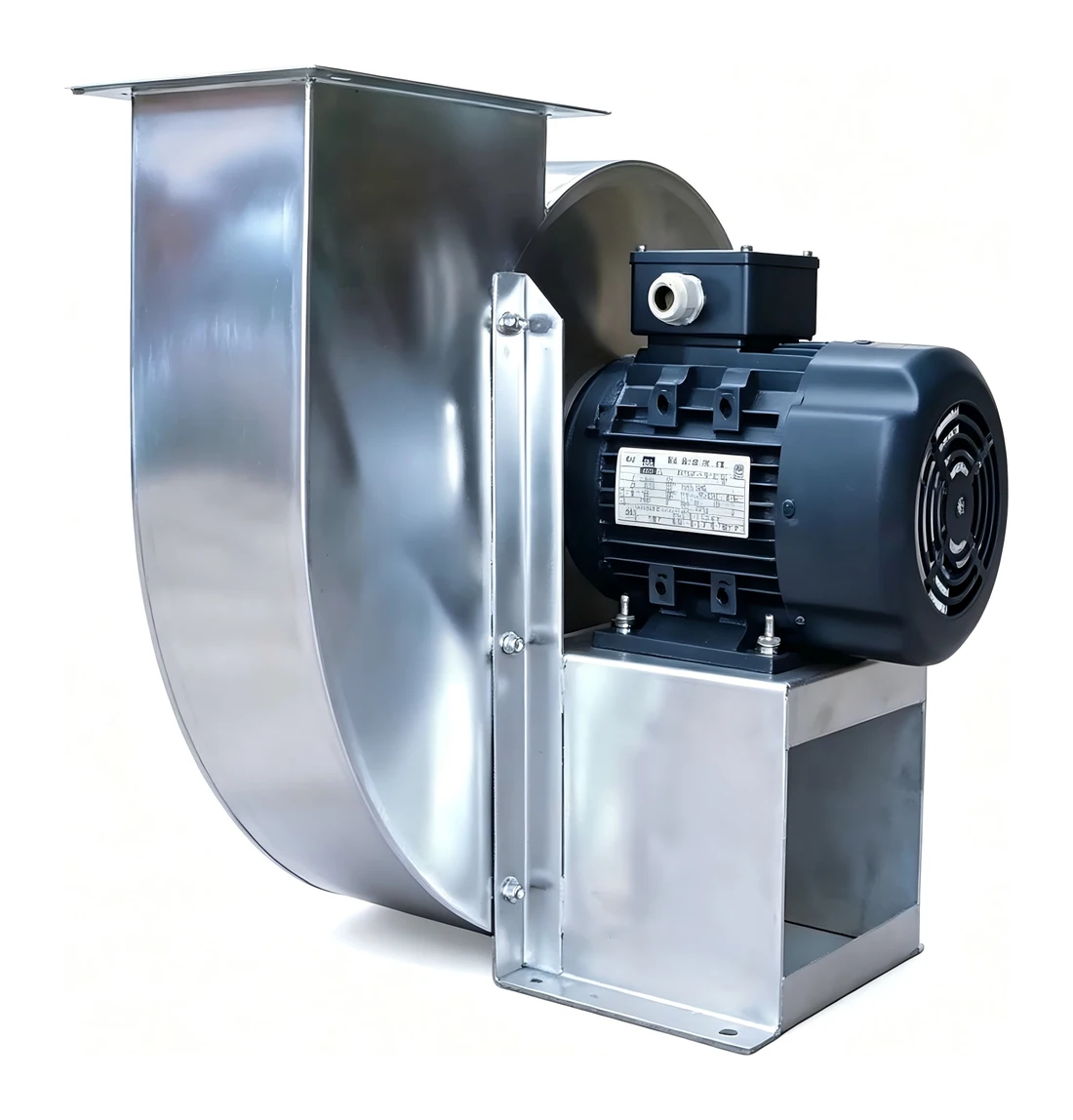
Keeping the wrong compact fan on a distributor’s shelf can be more expensive than holding no replacement at all. A marine multi-wing centrifugal fan manufacturer needs more than a size and a preferred motor power to define a useful stock item. TWOSUN’s marine range includes multi-wing centrifugal, galvanized multi-wing, axial, open-type axial and explosion-proof centrifugal configurations. For marine distributors and ship-service suppliers, the first task is to separate repeatable ordinary ventilation requirements from vessel-specific or hazardous-duty equipment that should remain individually selected.
Stock the complete configuration, not the family name. Material, rotation, outlet position, electrical supply and applicable approval requirements can turn visually similar fans into different items.
A marine multi-wing centrifugal fan manufacturer should help define the repeatable item
A useful stock programme begins with actual recurring demand. Review the equipment references and installation requirements appearing in the distributor’s own customer records. Identify which duties genuinely repeat and which only appear similar because the fans have compact metal casings. The manufacturer can then review a defined configuration and supply boundary rather than receiving a request for a generic marine centrifugal fan.
For instance, a distributor serving several repair yards may see repeat demand for small ducted ventilation units, while each yard uses different connection orientations. The shared airflow range does not necessarily justify one physical stock item. Group the requests by complete installation arrangement, then establish whether an agreed variant can serve more than one application. Keep the exceptions visible instead of promising a universal replacement.
Galvanized and stainless-steel multi-wing fans should remain identifiable
TWOSUN presents galvanized multi-wing equipment and identifies stainless-steel multi-wing fans in its marine range description. Those are real material routes for discussion, but they are not a guarantee of suitability for every shipboard atmosphere. Define the air condition and external exposure, then confirm the selected material and finish. A distributor should be able to identify that construction from the equipment record without relying on surface appearance.
Separate the casing material from the material of the impeller and other relevant parts. A product described by its external casing does not automatically have every component made from the same material. Ask the manufacturer to identify the supplied construction for the agreed stock reference. Where a customer requires a particular material grade or coating, preserve that requirement in the individual order rather than assuming it is covered by a broad stainless or galvanized description.
Do not turn material choice into an unsupported corrosion promise. Salt exposure, moisture, contaminants and cleaning practices can vary between installations. The correct commercial response is to give the manufacturer the intended conditions and obtain an appropriate selection. A distributor who keeps that boundary clear can offer a useful repeat item without presenting it as suitable for every compartment or every medium.
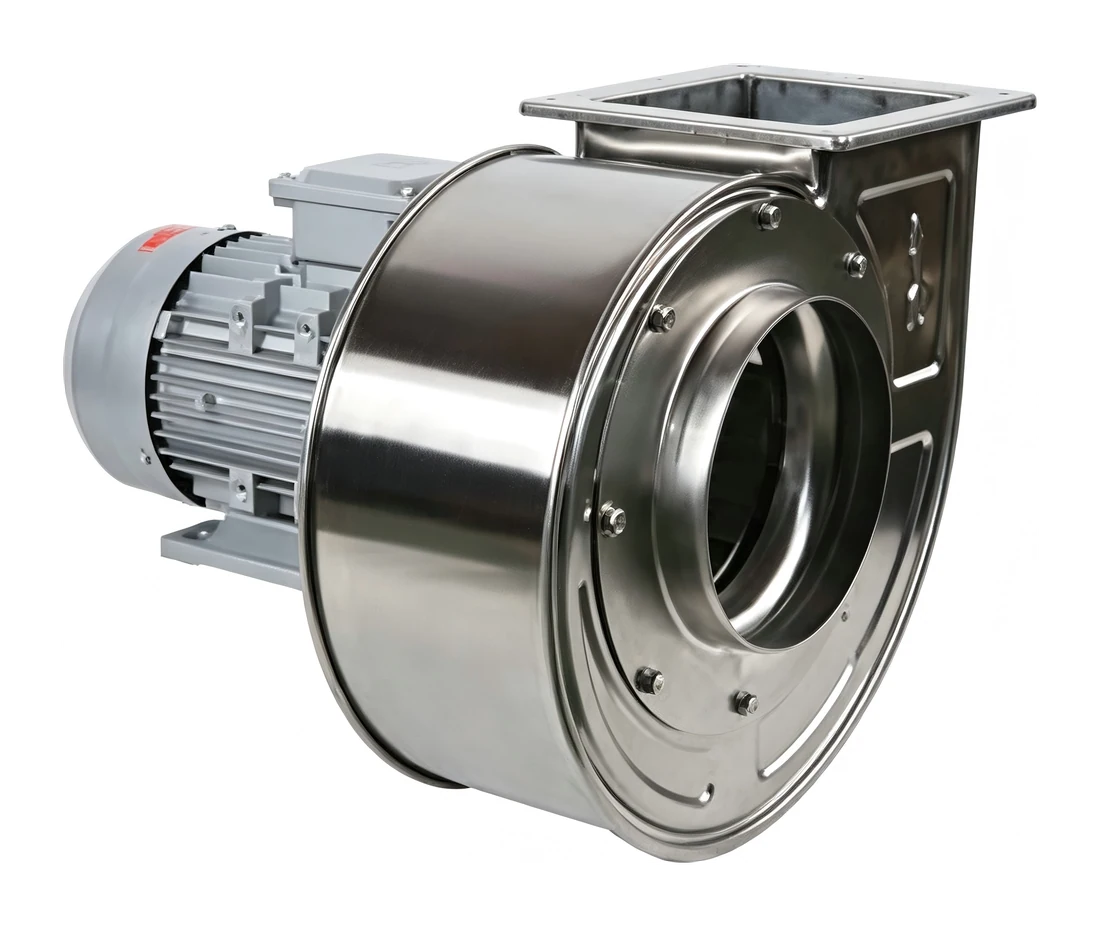
Marine multi-wing centrifugal fan stock needs an orientation code buyers can understand
The compact centrifugal casing turns the air path between inlet and discharge, making orientation important in restricted spaces. Define the inlet location, outlet direction, motor position and mounting arrangement on the agreed drawing. A distributor’s internal item reference should point to that drawing revision. Otherwise, two units with the same broad family description may arrive with different installation consequences.
Multi-wing fan rotation must have a stated viewing convention
Left and right are incomplete without a viewing position. Mark the motor side and rotation direction on the product record, and show the discharge direction relative to the installed base. A customer photograph taken from the opposite side should be checked against that convention before an item is released from stock. This is particularly valuable when the service supplier and vessel engineer are discussing equipment remotely.
The mounting dimensions deserve the same clarity. Record the connection openings, fixing positions and overall envelope for the selected unit. Avoid describing a stocked fan as a direct replacement until those interfaces and the required duty have been compared. An adaptor may solve one connection difference while creating a new clearance problem or altering the surrounding air route.
Think of a repair yard working behind an already fitted service panel. A slightly different motor position may prevent removal through the existing opening even if the inlet flange matches. The distributor should ask about the permanent service access, not only the opening available during the current repair. A stock fan is useful when it can be installed and maintained in the intended location, rather than merely carried on board.
Where several orientations are frequently requested, discuss a controlled variant list with TWOSUN. Each variant should retain its own drawing and complete designation. Do not assume a casing can be reoriented at the yard unless the manufacturer has confirmed the permitted arrangement and procedure. Unplanned alteration can affect fit, component access and the basis on which the product was selected.
Keep ordinary marine multi-wing fans separate from explosion-proof supply
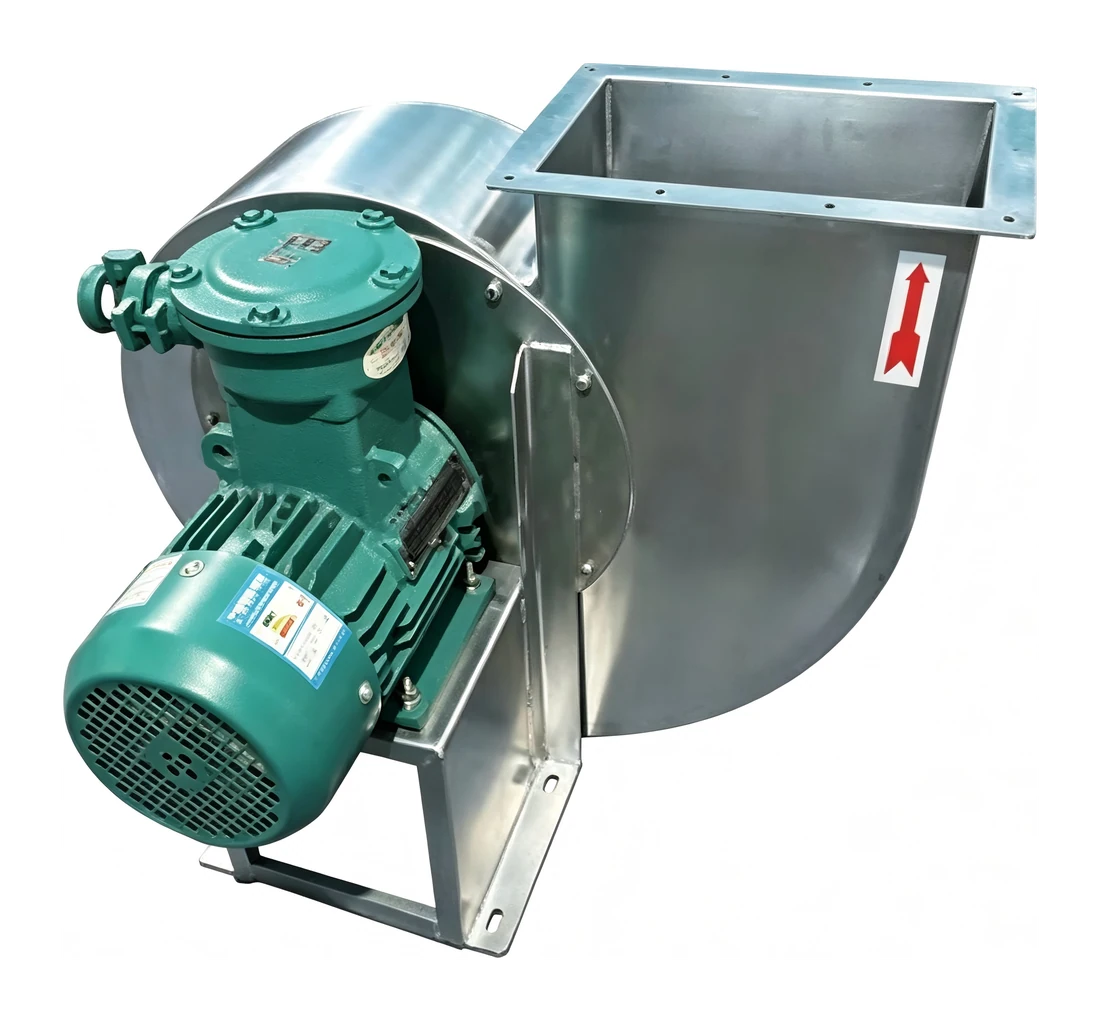
TWOSUN’s marine explosion-proof centrifugal fan is a separate product route. A distributor should not offer an ordinary multi-wing fan into an identified hazardous duty merely because the available motor seems suitable or the casing looks similar. The atmosphere classification and required evidence for the complete assembly must be reviewed before the equipment is proposed.
A marine explosion-proof centrifugal fan is not a motor substitution
The hazardous-duty assessment concerns the complete proposed equipment and its intended installation. Identify the medium, classification and project requirements, then obtain the appropriate model-specific submission. An ordinary stocked fan should remain on its ordinary ventilation route unless the manufacturer confirms a suitable alternative assembly. This prevents a convenient stock decision from silently changing the vessel’s equipment requirement.
Marine approval requirements are also distinct from explosion-protection requirements. TWOSUN’s qualification overview shows marine type-approval and explosion-proof documentation while emphasizing their defined scopes. Check validity, covered models and the requirements of the actual vessel. Evidence for one family should not be attached to an unrelated stock item to make the paperwork appear complete.
General industry practice supports separating material, impeller and specialist construction choices; Drews Marine’s centrifugal-fan overview presents those as distinct options. That reference explains the selection logic only. It does not transfer another manufacturer’s class approvals, construction or performance figures to TWOSUN equipment.
Use the marine fan duty to decide what should remain a special order
A compact multi-wing fan should still be selected at a defined airflow and pressure. Obtain the relevant curve and identify its speed and air-condition basis. Keep maximum catalogue figures out of substitution promises: the highest flow and highest pressure are not necessarily available together. A distributor can present a candidate quickly while still requiring a proper comparison with the customer’s duty.
TWOSUN’s marine axial and open-type axial families provide different routes when the customer actually needs an axial arrangement. Their presence helps the distributor redirect a mismatched request rather than forcing a compact centrifugal item into every job. The proposed air path, mounting and access should decide which family receives the technical review. A product already on the shelf should not become the selection criterion.
Marine fan voltage and frequency belong in the stock identity
Record the selected motor’s voltage, frequency and relevant control information alongside the fan configuration. A mechanically suitable unit may still be unsuitable for the available electrical supply. The responsible electrical team should confirm compatibility before release to the vessel. Avoid an informal substitution based on similar motor power or an assumption that the local shipyard supply represents the ship’s operating supply.
When the electrical requirement varies across customers, consider whether the complete fan should remain individually configured rather than stocked as one universal assembly. If a modular supply approach is proposed, confirm the permitted combinations and responsibility for assembly and verification with TWOSUN. Do not invent interchangeability between motors, impellers and casings that were selected as different complete units.
Special temperature, medium, approval or installation requirements are other reasons to keep an item outside a routine stock programme. A clear special-order boundary can improve the service offered to yards: the distributor knows which requests can be assessed against an established configuration and which need engineering review. It also reduces the risk of issuing an ordinary item under the pressure of a short repair window.
Make the TWOSUN multi-wing shipment ready for controlled storage and release
TWOSUN’s company information describes coordinated design, manufacturing and technical support. For a distributor, use that relationship to agree a stable equipment record for each repeat configuration. The manufacturer reference, drawing, motor information, supplied accessories and applicable documents should remain connected, so a later reorder does not depend on reconstructing an old email description.
Agree how each multi-wing unit will be identified through receiving and storage. The marking and packing information should distinguish material and orientation variants that appear similar. If accessories are packed separately, associate them with the correct equipment reference. A warehouse record that says only marine fan can make a technically careful purchase difficult to release correctly later.
The packaging discussion should reflect the actual compact assembly. Ask how the casing, connection edges, motor and exposed parts will be supported and protected during the intended transport and storage. TWOSUN shows wooden export packing in its delivery process, but the distributor should confirm the method for the selected units and shipment. Packing suitable for one assembly size does not automatically define the arrangement for another.
At receipt, compare the fan reference and visible construction with the agreed documents before the unit enters stock. Check the stated orientation, supplied parts and transport condition using the manufacturer’s receiving instructions. Preserve the record of any discrepancy so it can be resolved before a yard relies on the item for a repair. Do not wait until the equipment has reached a vessel to discover that the motor or outlet arrangement differs.
Storage requirements should come from the selected equipment’s instructions and the warehouse conditions. Tell TWOSUN if stock will wait in a humid or coastal environment, and agree any protective measures or checks needed before release. A packed unit should not be assumed ready for indefinite storage without inspection. The distributor needs a defined release process that reflects how the item has actually been kept.
Build the marine replacement offer around a verified configuration
A distributor can keep a useful distinction between an equipment family and a releasable warehouse item. The family groups the ordinary multi-wing products being considered; the warehouse item identifies one agreed material, orientation, motor and supply boundary. Keep both descriptions in the records. A sales request can then begin with the family while the dispatch decision remains tied to the complete configuration.
For a repeat customer, preserve the accepted vessel installation reference without assuming every vessel in the fleet is identical. A later order may change the compartment, electrical supply or approval requirement. Compare the new request with the established item record and identify the differences before release. This is especially useful when purchasing language such as same as last time hides a different physical location.
When TWOSUN revises a proposed configuration, decide whether the existing stock reference remains valid or a separate item is needed. Record the drawing and document revision associated with stock already received. Mixing two revisions under one unqualified description can make a later replacement difficult to verify, even if both versions are individually legitimate products.
A useful repeat-supply offer can be concise: identify the ordinary duty range being assessed, the complete stocked configuration and the conditions that trigger a separate review. Keep the manufacturer drawing and selected performance information available to the customer’s technical team. This lets the distributor respond quickly without turning a catalogue family into an unsupported equivalence claim.
When a yard asks for an urgent replacement, work through the actual fan reference, duty and interfaces before dispatch. If the request falls outside the established material, orientation, electrical or approval boundary, keep it on the individual selection route. A marine multi-wing stock programme succeeds when the units sent out match the vessels they are intended to serve, and the exceptions are recognized before equipment leaves the warehouse.
Before matching a repeat item to a vessel compartment, also review Marine Ventilation Fan Manufacturer Choices for Newbuilds and Refits.
