
Blog
9-26 High Pressure Fan Supplier Review When a Blower Underperforms

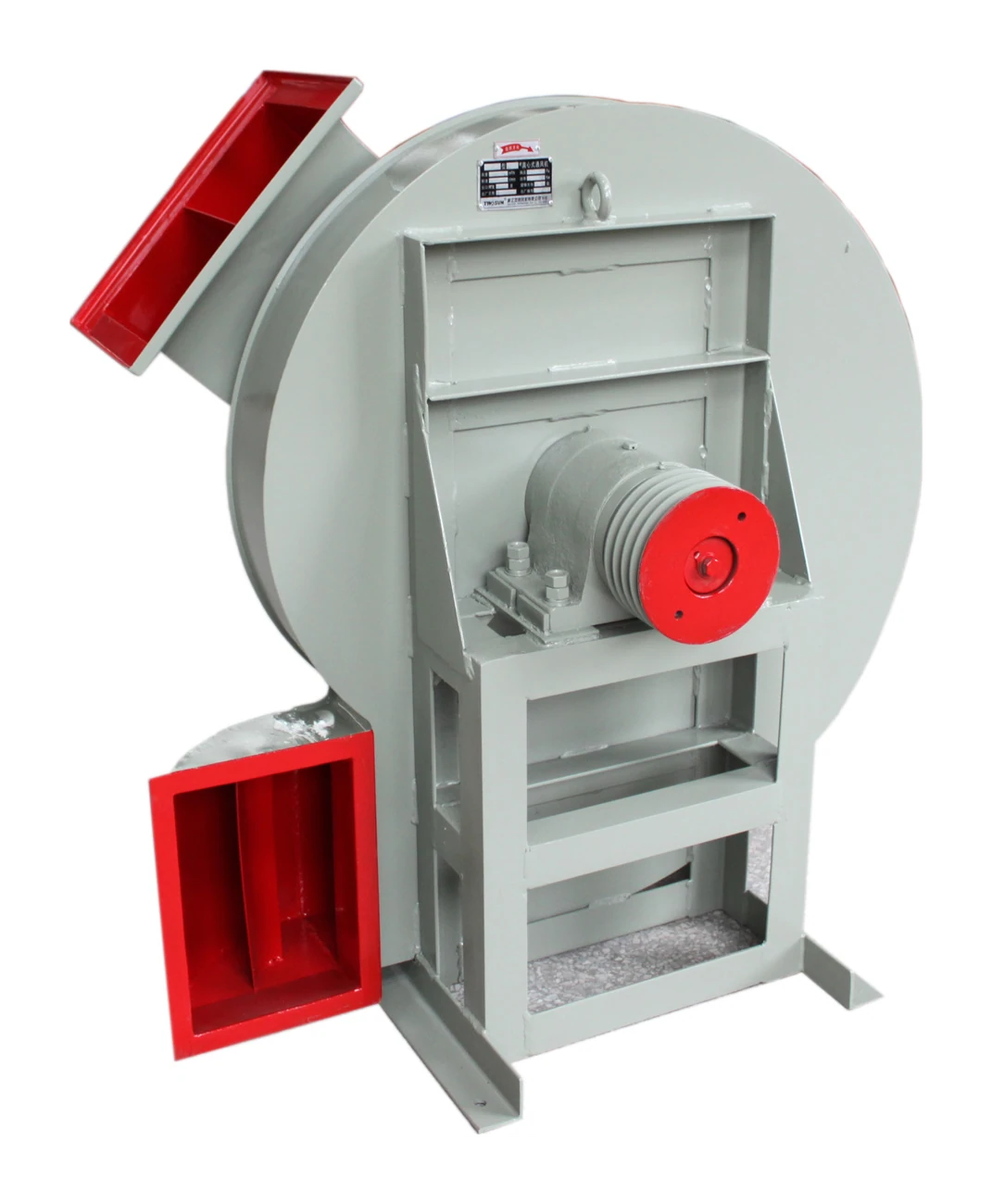
Low airflow does not automatically mean the installed blower needs more motor power. A 9-26 high pressure fan supplier needs to know the required airflow, actual system resistance and why the existing duty is no longer being met. TWOSUN offers 9-26, 9-19 and 8-09 pressure-oriented centrifugal fans, alongside 4-72 general-ventilation and D-type high-temperature configurations. For a plant maintenance team or process-equipment buyer, the first step is to separate a changed system from an unsuitable fan selection before deciding which family to order.
Do not approve a replacement from motor power alone. Establish the operating point, gas condition and installation arrangement, then compare the proposed blower on the same basis as the process requirement.
Give the 9-26 high pressure fan supplier the history of the shortfall
Start with when the problem appeared. A blower that never achieved the required duty raises questions about the original selection and installation. A blower that worked satisfactorily until a process change raises a different set of questions. Record added filters, altered ductwork, changed dampers, revised operating modes and any change in the gas temperature or composition. That history can prevent an expensive replacement from repeating the same unresolved problem.
Preserve the existing equipment identification and available commissioning information. Note the fan reference, motor details, known speed and connected system. Where records are missing, say so. A supplier can work from a defined process requirement and a measured installation, but should not be expected to infer an entire duty from a partial nameplate. Separate confirmed information from assumptions in the replacement request.
A 9-26 airflow complaint may begin at the connected filter
If the blower serves a process route with filtration, establish the resistance condition used for the required duty. A clean-filter condition and a loaded-filter condition are different operating requirements. The project engineer should define the relevant range and control approach. Ordering a blower from only the clean condition can leave the normal operating requirement unresolved as resistance increases.
Consider a plant that adds a finer filter while retaining the old extraction fan. The production requirement may be unchanged, but the system pressure requirement has moved. A larger motor on the same fan does not by itself define how the new operating point will be achieved. The revised resistance and required airflow should go to the selection review together, with the proposed speed and motor assessed as part of the complete fan.
Also distinguish a measured shortfall from an impression of weak suction. State where and how any airflow or pressure observations were obtained and whether the system was in its normal operating condition. The responsible technical team should establish a reliable measurement basis. Conflicting readings taken at different locations or different damper positions should not be combined into one supposed duty point.
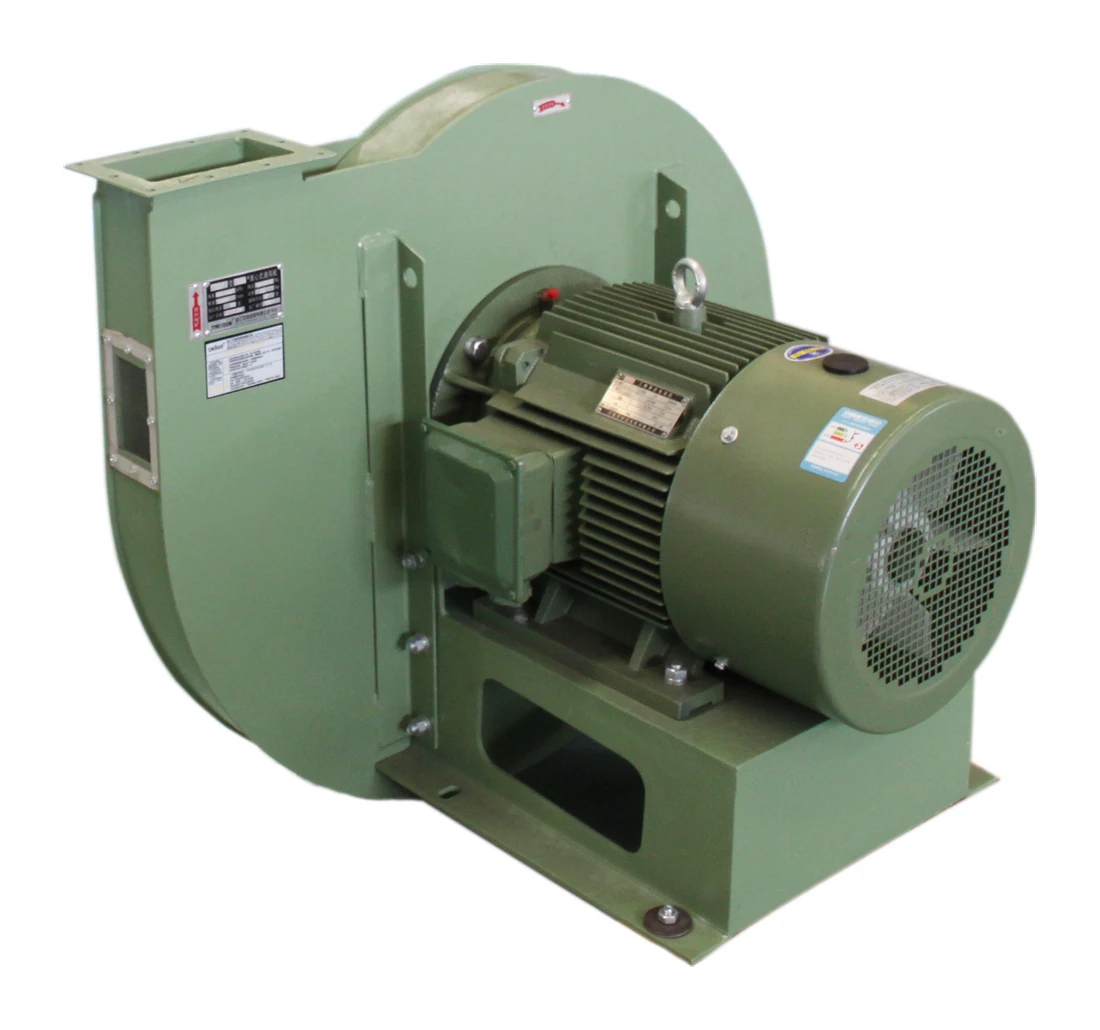
A 9-26 high-pressure fan selection needs a defined pressure quantity
Static pressure and total pressure are not interchangeable labels. Tell TWOSUN which quantity the process specification uses, where it applies and which system components are included. Keep units consistent throughout the submission. A pressure number copied from an old curve without its definition can produce a proposal that appears comparable on paper while answering a different technical requirement.
Read the 9-26 curve at the required airflow
The useful pressure is the pressure available at the required flow and selected conditions. A maximum pressure and a maximum airflow may occur at different points on a curve. They should not be combined into a performance promise. Ask for the selected point to be identified with its speed, air-condition basis and motor information, so that the process engineer can compare an actual proposal with the specified duty.
TWOSUN’s industrial portfolio includes both 9-19 and 9-26 high-pressure centrifugal configurations. Their presence gives the selection team real alternatives, but the series names alone do not identify which is appropriate. Compare the offered curves and constructions at the same required duty. Avoid choosing the family by the larger-looking model number or by a photograph of a heavier casing.
The 8-09 high-pressure configuration is another relevant TWOSUN route where the required operating point justifies comparison. It needs its own selected data and drawing. Do not treat 8-09, 9-19 and 9-26 as three interchangeable labels for a single blower specification. The purchase decision should explain why the proposed configuration meets the process and installation conditions.
A general ventilation duty may point elsewhere. If the actual requirement is moderate-resistance room or building ventilation, compare the 4-72 centrifugal ventilator rather than assuming a pressure-oriented family is inherently preferable. The strongest-sounding product name is not a substitute for the operating point. Unnecessary pressure capability can complicate the intended control and equipment selection.
The gas condition can rule out an otherwise attractive 9-26 proposal
The TWOSUN industrial manual groups 9-19 and 9-26 in its pressure-oriented range and describes non-corrosive, non-flammable and non-sticky media within stated limits. It gives a temperature boundary of 80°C and a dust or hard-particle concentration boundary of 150 mg/m³ for the described use. Confirm the complete selected configuration and applicable conditions; those numbers do not authorize every gas that happens to be cooler or less dusty.
A hot process belongs in the D-type review before motor sizing
Where the conveyed gas temperature approaches or exceeds the ordinary range description, discuss TWOSUN’s D-type high-temperature fan route. The thermal requirement affects the complete assembly, including shaft, bearings, clearances and the motor environment. Do not borrow the D-type temperature capability for an ordinary 9-26 proposal or assume that changing only the motor creates an equivalent hot-gas fan.
The relevant temperature is the temperature at the fan inlet under the specified operating conditions. A process may have a normal condition, a startup condition and a short upset condition. List the ones the equipment is expected to handle and their durations, then let the responsible engineer and supplier review them. A single average temperature can hide a condition that matters to the selected construction.
Dust needs similar precision. Identify the material, concentration and whether it is abrasive, sticky or otherwise problematic. A dust description of light is difficult to use for selecting a rotating assembly. TWOSUN’s separate 6-48 dust-exhaust route shows that dust handling deserves its own product discussion. Neither a high-pressure label nor a low numerical loading establishes suitability for combustible dust or a hazardous atmosphere.
If the plant’s medium has changed since the original installation, preserve that change in the replacement specification. A blower that was suitable for relatively clean air may now encounter carryover from a modified process. Reproducing the old equipment dimensions without reviewing the medium can repeat the underlying selection error. This is a technical family decision to resolve before the order becomes a manufacturing drawing.
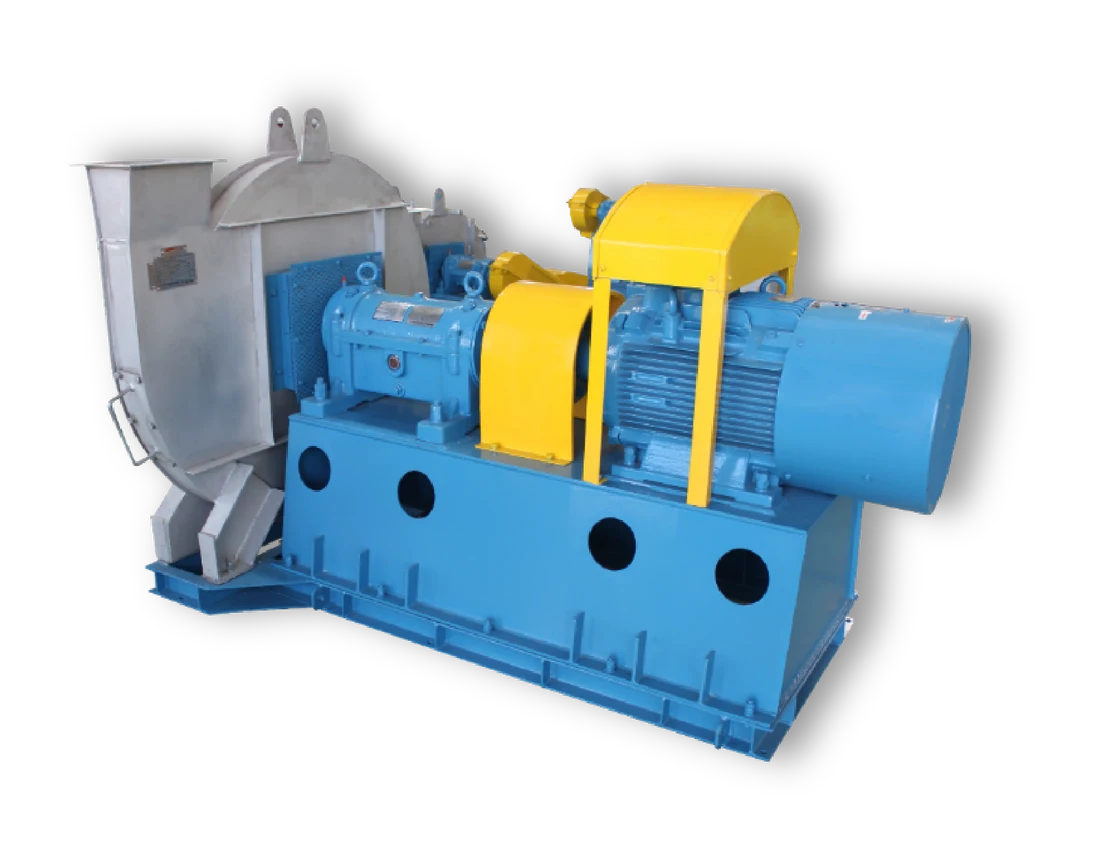
Replace the 9-26 assembly without inheriting an ambiguous installation
The existing foundation and ducts are useful constraints, but they should be measured rather than assumed. Provide the inlet and outlet dimensions, base locations, available space and nearby connection geometry. Mark the motor side and airflow direction. The proposed replacement can then be reviewed against a clear installation instead of an informal request to make it the same as the old one.
Rotation and discharge position deserve a marked drawing. State the viewing convention used to describe rotation and show the outlet direction relative to the installed base. A photograph taken from the inlet can be interpreted differently from one taken from the motor side. The approved general arrangement should remove that ambiguity before the casing and base are fabricated.
Check the route for removing the old unit and installing the new one. A replacement may have different lifting points, overall dimensions or component access even where its flanges can be adapted. Identify obstructions and the future maintenance path as well as the delivery opening. If the site proposes to separate components for handling, confirm the permitted procedure with the supplier rather than improvising during the shutdown.
The nearby duct arrangement should also return to the selection review. AMCA’s discussion of system effect explains why installed connections matter to fan performance. A replacement order should therefore include the actual inlet and outlet geometry, especially where an elbow, restriction or accessory has been added since the original fan was selected.
Consider a contractor working to a short production shutdown. It can be tempting to retain every old connection to reduce installation work. Retain them only after the project team has checked that they still suit the revised duty. A small amount of planned duct adaptation may be more useful than installing a new pressure-oriented blower into a connection arrangement that leaves the original airflow problem unresolved.
Make the 9-26 acceptance record describe the process you are buying for
A pressure-oriented replacement also needs a clear account of how the process is controlled. State whether the existing system uses a damper, speed control or a fixed operating arrangement, and identify the intended method for the new 9-26. The technical team should review the permitted operating range with the supplier. A control method that worked for the old duty should not be assumed suitable after the required pressure or medium condition has changed.
Keep the electrical review connected to that decision. A changed blower speed or motor selection may affect the starter, drive and other electrical provisions. The responsible electrical team needs the proposed motor data and operating method while the mechanical selection is still open. Reusing the old electrical equipment solely because it is already installed can create a separate compatibility problem after the fan has been approved.
For the 9-26 technical comparison, retain both the process requirement and the selected point in the same units and pressure convention. If a proposal uses a different convention, have the responsible engineer reconcile it explicitly. A clean comparison prevents a unit-conversion or definition mismatch from being mistaken for extra blower capability.
TWOSUN’s manufacturing and verification information describes aerodynamic measurement, balancing, material checks and inspection. For a replacement 9-26 package, agree the performance and inspection records needed to assess the selected unit. The equipment reference, drawing revision and operating point should remain consistent across the submission, rather than appearing as unrelated documents attached to a quotation.
If the process requires witnessed testing or specific acceptance tolerances, establish them before production. Clarify what is measured, under which conditions and how the results are reported. General testing capability does not imply that every order includes the same witness scope. Equally, a routine mechanical check should not be described as proof of a process duty that was never included in the agreed test.
The supply boundary should identify the fan, motor, drive arrangement, base and any agreed accessories. TWOSUN also offers dampers and silencers, but adding them to a 9-26 package requires a dimensional and performance review. Their presence in the manufacturer’s portfolio does not mean they are included automatically or that their resistance has already been allowed for in the selected operating point.
For dispatch, agree how the selected casing, rotating assembly and exposed interfaces will be protected and handled. TWOSUN shows wooden export packing and shipment coordination in its delivery process. The replacement order should connect that discussion to the actual assembly and receiving route, including any separately packed items. The shutdown team needs an identifiable, complete package before it begins removing the existing blower.
Set the replacement acceptance around the problem that justified the purchase. Record the intended system condition and the required installed duty for the approved commissioning process. If the revised blower runs but the process still lacks the required airflow, return to the agreed measurements and system assumptions. The purchase should provide a traceable technical decision, not merely a new machine with a larger nameplate.
Release the 9-26 order when the cause of the shortfall has been addressed in the new specification. The final choice may remain 9-26, move to another pressure-oriented family or require a different temperature or medium route. What matters is that the selected blower, connected system and acceptance basis now describe the same process requirement.
If the revised requirement is general factory ventilation, compare 4-72 Centrifugal Fan Manufacturer: Match the Duty Before the Order.
